
Major overview
Study pharmacology and toxicology and learn how drugs impact human health
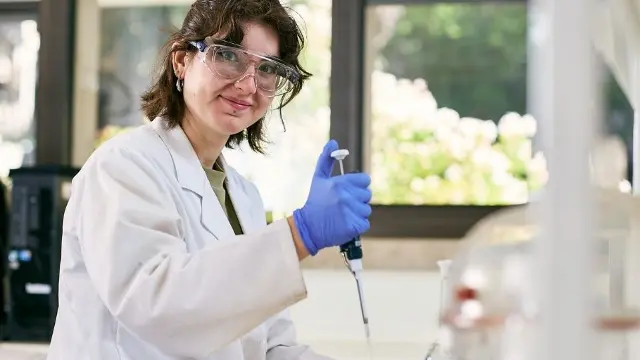
3 reasons to study pharmacology and toxicology at Murdoch University
- Study in real-world hospitals and research facilities at the Murdoch Health and Knowledge Precinct.
- Combine this major with another specialisation to tailor your biomedical science degree and broaden your career pathways.
- Build practical skills through hands-on laboratory work and research-informed learning guided by leading academics.
What you’ll learn
- Analyse pharmacokinetics and pharmacodynamics, including how drugs are absorbed, distributed, metabolised and excreted.
- Explore pharmacology and how drugs interact with biological systems to produce therapeutic effects.
- Investigate toxicology and how chemicals and toxins affect cells, organs and physiological systems.
- Examine drug development, including testing, safety, efficacy and regulatory considerations.
- Develop practical skills to study drug action, toxicity and biological responses using laboratory techniques.
- Interpret scientific data and apply your knowledge to challenges in healthcare, pharmaceuticals, environmental health and biomedical research.
Not only could I study a Bachelor of Science in Forensic Biology and Toxicology, and a Bachelor of Criminology, but I had the opportunity to study them as a combined degree.
Danika, Medical, Molecular and Forensic Sciences
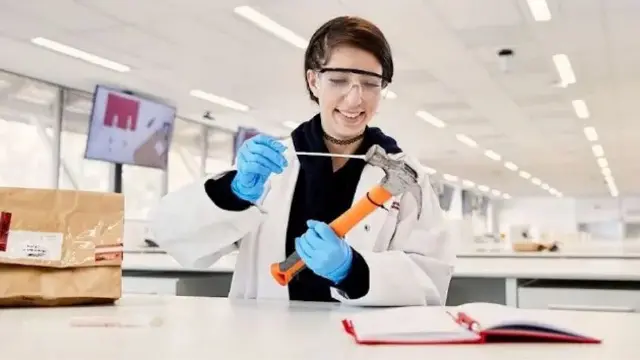
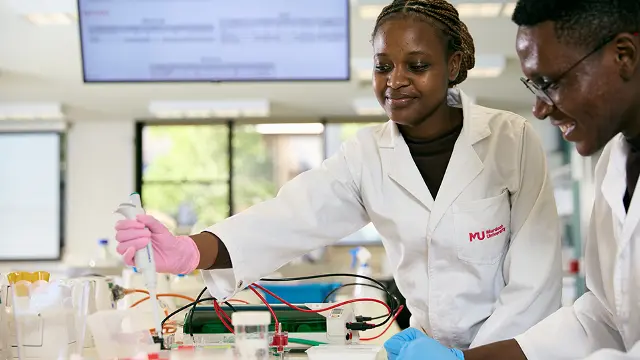
Your future career in pharmacology and toxicology
- Pharmacologist
- Toxicologist
- Laboratory technician
- Research assistant
- Pharmaceutical industry roles
- Regulatory affairs officer
Start dates
| Starting period | Location | Face to Face | Online | Mixed mode |
|---|---|---|---|---|
| Semester 1, 2027 | Murdoch | Yes | No | No |
| Semester 2, 2027 | Murdoch | Yes | No | No |
| Semester 1, 2028 | Murdoch | Yes | No | No |
| Semester 2, 2028 | Murdoch | Yes | No | No |
View the dates for our teaching periods or find out more about attendance modes.
Major Structure
Visit the Course Handbook - Get detailed information on units, prerequisites, and pathways.
To help plan the structure of your course, search for our suggested course plans.
How to Apply
Majors are part of a degree and can't be applied on their own. Apply for a related degree first, then choose your major once enrolled.
Bachelor of Biomedical Science
Study a Bachelor of Biomedical Science at Murdoch University and gain hands-on experience in modern labs and health facilities. Apply today.