
Major overview
Discover how biochemistry and nutrition shape human health
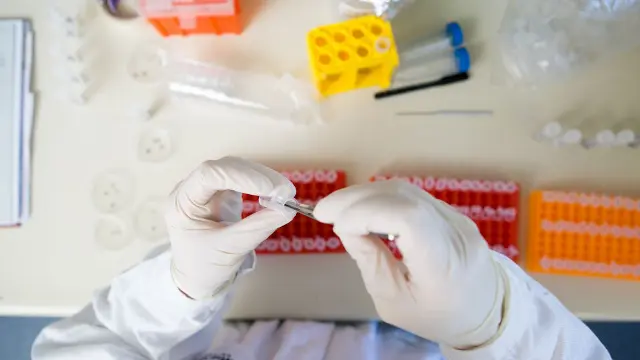
3 reasons to study biochemistry and nutrition at Murdoch University
- Study in the heart of the Murdoch Health and Knowledge Precinct, with access to advanced laboratories and real-world clinical environments.
- Access the Food Innovation Precinct of Western Australia (FIPWA), a state-of-the-art facility where food science and nutrition research connects with industry.
- Combine this major with another biomedical science major to tailor your health science degree and expand your career opportunities.
What you’ll learn
- Understand human metabolism and how nutrients are processed in the body.
- Explore molecular biology and the biochemical processes that underpin health and disease.
- Analyse the role of nutrition in disease prevention and health outcomes.
- Develop laboratory skills for biochemical and nutritional testing and analysis.
- Interpret scientific data to inform nutrition, public health and biomedical research.
- Build research, communication and critical thinking skills for health science careers.
Not only could I study a Bachelor of Science in Forensic Biology and Toxicology, and a Bachelor of Criminology, but I had the opportunity to study them as a combined degree.
Danika, Medical, Molecular and Forensic Sciences
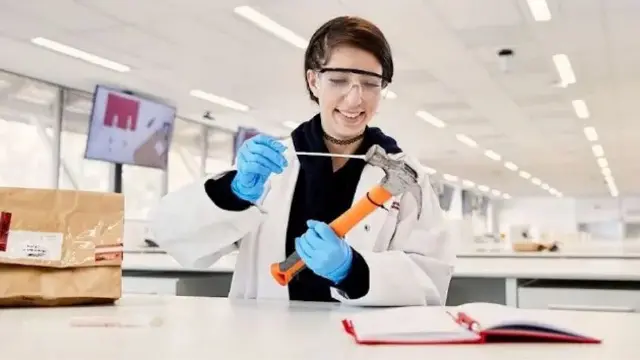
Your future career in nutrition science
- Nutrition scientist
- Laboratory technician
- Research assistant
- Food and health industry roles
- Public health officer
- Biomedical researcher
Start dates
| Starting period | Location | Face to Face | Online | Mixed mode |
|---|---|---|---|---|
| Semester 1, 2027 | Murdoch | Yes | No | No |
| Semester 2, 2027 | Murdoch | Yes | No | No |
| Semester 1, 2028 | Murdoch | Yes | No | No |
| Semester 2, 2028 | Murdoch | Yes | No | No |
View the dates for our teaching periods or find out more about attendance modes.
Major Structure
Visit the Course Handbook - Get detailed information on units, prerequisites, and pathways.
To help plan the structure of your course, search for our suggested course plans.
How to Apply
Majors are part of a degree and can't be applied on their own. Apply for a related degree first, then choose your major once enrolled.
Bachelor of Biomedical Science
Study a Bachelor of Biomedical Science at Murdoch University and gain hands-on experience in modern labs and health facilities. Apply today.