
Major overview
Examine vital frameworks, principles and tools to develop practical skills and apply these in real-life case studies.
You’ll apply specialised engineering knowledge and skills with an emphasis on the integration of energy, water and resource recovery systems into Smart Cities and sustainable communities.
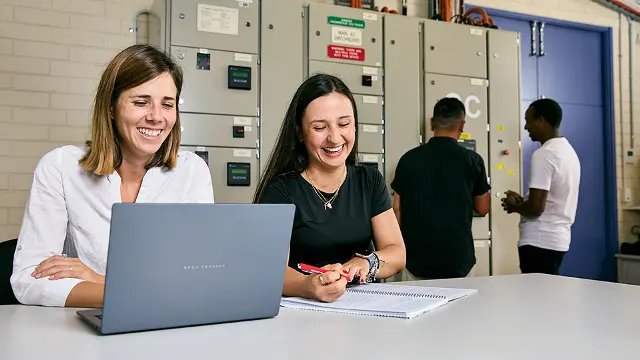
3 reasons to study Environmental and Sustainable Systems Engineering at Murdoch University
- Gain practical experience with industry through Work Integrated Learning, site visits and industry focused projects.
- Complete your Master's degree in 1.5 years by studying in intensive mode.
- Five-star rating and #1 university in Western Australia for learner engagement, teaching quality and skills development for Engineering and Technology at postgraduate level by the Good Universities Guide 2026.*
What you’ll learn
- The circular economy and innovation
- Hydrology and Water Cycle Management
- Design of water treatment unit operations
- Integrated waste management for resource recovery
- Land use planning and green infrastructure
- Industrial ecology (symbiosis)
- Hydrogen systems
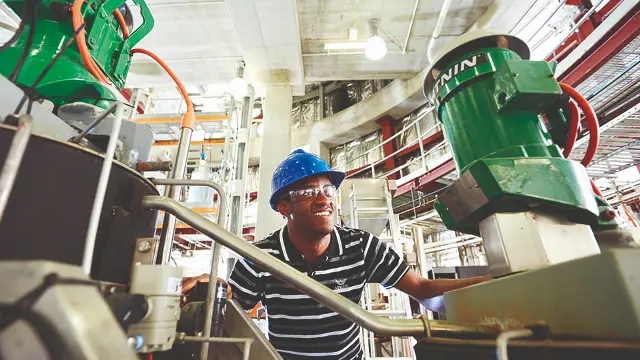
Your future career
Graduates can find employment in the water, waste management, resource recovery, land development and green infrastructure industries.
Start dates
| Starting period | Location | Face to Face | Online | Mixed mode |
|---|---|---|---|---|
| Semester 1, 2027 | Murdoch | Yes | No | No |
| Semester 2, 2027 | Murdoch | Yes | No | No |
| Semester 1, 2028 | Murdoch | Yes | No | No |
| Semester 2, 2028 | Murdoch | Yes | No | No |
View the dates for our teaching periods or find out more about attendance modes.
Major Structure
Visit the Course Handbook - Get detailed information on units, prerequisites, and pathways.
To help plan the structure of your course, search for our suggested course plans.
How to Apply
Majors are part of a degree and can't be applied on their own. Apply for a related degree first, then choose your major once enrolled.
Master of Engineering Practice
Are you looking to advance your career in engineering? A Master of Engineering Practice is for you. Upskill in emerging areas such as renewable and sustainable energy, environmental and sustainable systems, intelligent and autonomous systems, and industrial control.