
News
Fine-tune your skills in biosecurity and unlock careers in the defense against pest and disease threats
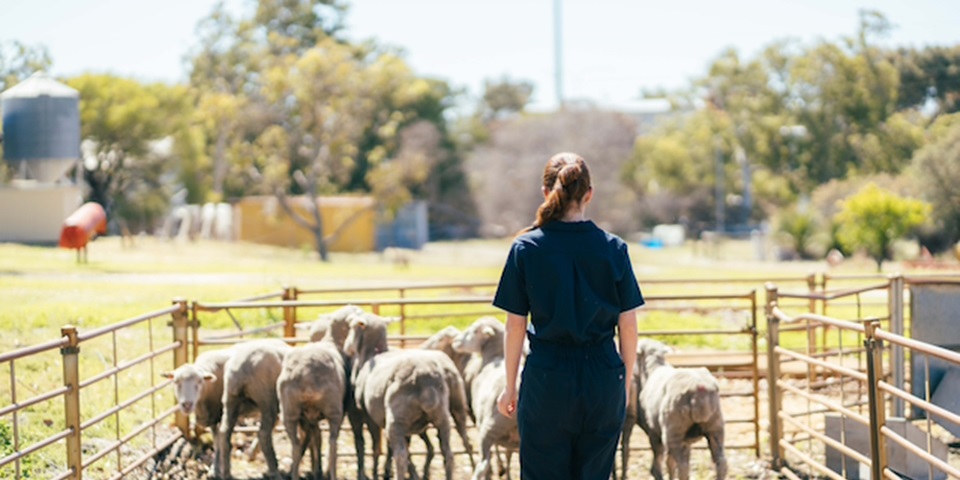
Whether you're a recent graduate looking to gain advanced knowledge and skills, or you're ready to take your career to the next level, a postgraduate course in Biosecurity might be the perfect step to advance your career.
Why study Biosecurity?
As the world becomes increasingly interconnected and globalized, the importance of biosecurity – the protection of human, animal, and plant health from biological threats – is more important than ever. Postgraduate biosecurity courses at Murdoch provide students with the knowledge and skills necessary to tackle these complex and challenging issues.
Murdoch is the first university in Australia to offer Masters in Biosecurity. The course delivery is very flexible, meaning you can study this course from anywhere and alongside other employment. The program provides students with the knowledge and skills they need to identify, assess and mitigate biosecurity risks, as well as to develop, implement and evaluate biosecurity policies and procedures.
Associate Professor Kirsty Bayliss explains,
"This knowledge and skill set can be useful for anyone, looking to make a real difference in the world and contribute in protecting the health and safety of our people, plants, and animals and protect our economy”
What does a career in biosecurity look like?
A Biosecurity degree from Murdoch University can provide students with a strong foundation for a career in a range of industries and organisations, including government, non-profit, and private sectors, as well as academic roles.
Potential roles for graduates of the program might include:
Biosecurity Manager: Protect agriculture and natural ecosystems from pests and diseases by implementing surveillance, quarantine and eradication measures
Policy Officer: Shape biosecurity policies and regulations at the local, national, and international levels to strengthen biosecurity preparedness and response.
Research Scientist: Conduct ground-breaking research to understand the spread of pests and diseases and develop innovative solutions to mitigate their impact.
Risk Analyst: Assess the potential risks posed by pests and diseases to ecosystems, agriculture, and human health, and develop strategies to mitigate these risks.
Emergency Response Coordinator: Coordinate rapid response efforts during biosecurity emergencies, such as disease outbreaks or pest incursions, to minimize their impact on ecosystems, agriculture, and public health.
Wildlife and Fauna Conservation Manager: Lead conservation efforts to preserve native biodiversity and ecosystems by managing threats posed by pests and diseases and invasive species.
Biosecurity Educator: Educate communities, stakeholders, and the public about the importance of biosecurity and empower them to take action to prevent the spread of pests and diseases.
Kirsty explains that jobs within the sector are expected to keep growing, and the need for biosecurity experts will not disappear.
"Global pandemics and diseases such as COVID-19, Avian Influenza and Foot and Mouth Disease remind us about the value of being prepared.”
Postgraduate courses in Biosecurity equip students to address problems facing agriculture, health and environmental sectors. Can we improve our tools to detect outbreaks earlier, or contain infectious diseases better to stop their spread? How to we better engage with the general community to convey the importance of disease control measures? What legislation or policies need to be updated to initiate emergency responses in a more timely manner?
Associate Professor Wei Xu explains
"We equip our graduates with the tools and expertise they need to address major global challenges, as well as pests and diseases that are impacting agriculture and communities currently and in the future.”
Master of Biosecurity
The Mater of Biosecurity has a flexible course design with the option to study full-time or part-time, and with external study options so you can upskill whilst you’re still earning. International students are able to study from your own country.
The course structure includes foundational units that develop the knowledge and skills to address complex biosecurity challenges, and a range of electives that enable students to follow topics aligned to your interests and goals. The course includes options for internship (work placement) and research project (with dissertation, offering a pathway to further research programs such as PhD).
More information here
Graduate Certificate in Plant Biosecurity
The Graduate Certificate enables candidates to upskill and progress career opportunities in agriculture, trade or biosecurity. After completing this certificate, graduates may pursue careers in biosecurity, quarantine and pest management, acting in technical, research and administrative roles. You can also choose to upgrade to Master of Biosecurity and undertake a project or internship. Course delivery is focused on flexibility so you can upskill from anywhere worldwide whilst you’re still earning.
More information here
News
Fine-tune your skills in biosecurity and unlock careers in the defense against pest and disease threats
Posted on
Topics