Addressing social, cultural and environmental challenges impacting Aboriginal communities
Coolamon Research and Advocacy Centre aims to build an understanding of the widespread and cumulative effects of climate change, and the social, cultural and environmental factors impacting the lives of Aboriginal families and communities. The frequency, duration and intensity of heatwaves is increasing globally and in Australia, resulting in significant social, health, and economic impacts and increasing morbidity and mortality. The Coolamon Centre will conduct research to support Aboriginal communities in the regions to mitigate the impacts of heatwaves.
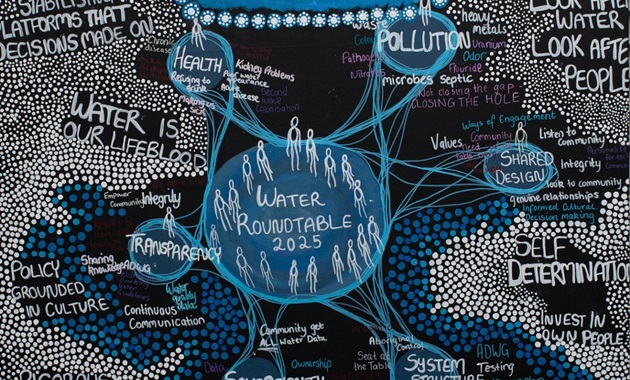
Water quality is another key area of concern. Whilst the World Health Organisation recognises that access to safe and quality water is a fundamental human right and essential for people’s health and quality of life, many Indigenous homeland communities across Australia do not have access to clean, reliable water. Many homelands communities in Western Australia experience high levels of nitrates and, uranium and other minerals contaminants and bacterial pollutants in their water causing a range of diseases.
Our research themes
The five key themes, acknowledge the interrelationship of the health of people and planet. These themes will be investigated in co-design with Aboriginal communities, research partners, stakeholders and industry, and include:
Care for country
- Addressing the impact of environmental toxicology and pollution (air, water, energy and waste) on Aboriginal health and social and emotional wellbeing
- Establishing commercial remediation/rehabilitation services based on traditional knowledge
- Promoting land management practices (eg Rangers/Scientists)
- Exploring alternative, sustainable land uses
- Advocating for right to access waterways and cultural sites
Curation on country
- Supporting diversification including Ecotourism and codesigned regional projects
- Promoting and privileging Aboriginal cultural knowledge and heritage
- Learning, sharing and adapting to climate change
- Supporting Governance mechanisms focused on holistic community needs
Cultivation on country
- Promoting Food security through agri business and carbon farming
- Working with communities to support biosecurity preparedness, surveillance, early warning and disaster management
- Exploring potential for Nutraceuticals and pharmaceuticals
- Ensuring Respect of Indigenous Intellectual Rights and Data Sovereignty
Connection to country
- Sustaining commercial businesses providing economic security
- Facilitating Sovereignty, recognition and empowerment
- Establishing Communities of wealth, health and wellbeing
- Promoting biodiversity conservation and restoration
Interconnections of culture, country and health and wellbeing
- Addressing the impacts of environmental change on emerging infectious diseases and maternal and child health outcomes
- Supporting Aboriginal Community responses and adaptation to climate change
- Improving social and environmental justice
- Empowering nutritional literacy and food security
Current research projects
Advocacy
Completed research projects
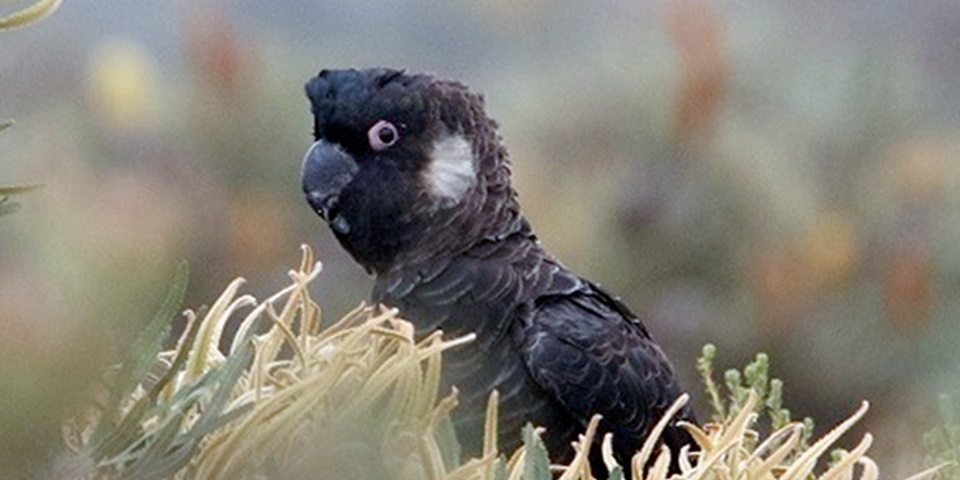
The overall outcome of the Keep Carnaby’s Flying – Ngoolarks Forever program is to empower the community to keep Carnaby’s flying (safeguard the species).
The collaborations of Institutes, Aboriginal groups, local government authorities and community stakeholders will deliver a range of on-ground activities to protect and preserve the endangered birds.
The overall outcome of the Keep Carnaby’s Flying – Ngoolarks Forever program is to empower the community to keep Carnaby’s flying (safeguard the species) through providing food sources (and water and habitat) and mitigation of threatening processes for Carnaby’s cockatoos across the Perth-Peel region in the short, medium and long term.
Lead researchers
Professor Rhonda Marriott
Pro Vice Chancellor, Ngangk Yira Institute For Change
View staff profile
The overall outcome of the Keep Carnaby’s Flying – Ngoolarks Forever program is to empower the community to keep Carnaby’s flying (safeguard the species).
The collaborations of Institutes, Aboriginal groups, local government authorities and community stakeholders will deliver a range of on-ground activities to protect and preserve the endangered birds.
The overall outcome of the Keep Carnaby’s Flying – Ngoolarks Forever program is to empower the community to keep Carnaby’s flying (safeguard the species) through providing food sources (and water and habitat) and mitigation of threatening processes for Carnaby’s cockatoos across the Perth-Peel region in the short, medium and long term.
Lead researchers
Professor Rhonda Marriott
Pro Vice Chancellor, Ngangk Yira Institute For Change
View staff profile
Key researchers
Professor Roz Walker
Centre Director
Professor Roz Walker
Centre Director
Dr Walker is committed to Aboriginal community engagement and empowerment for positive social change. She is involved on several research projects focused on improving Aboriginal mental health and social and emotional wellbeing outcomes in maternal health and early childhood development and supporting resilience and wellbeing in young people. She has extensive experience in qualitative, community based participatory action and mixed methods research approaches with a focus decolonising and empowering Indigenous research methods and methodologies
Academic profile
Judith Katzenellenbogen
Principal Research Fellow
Judith Katzenellenbogen
Principal Research Fellow
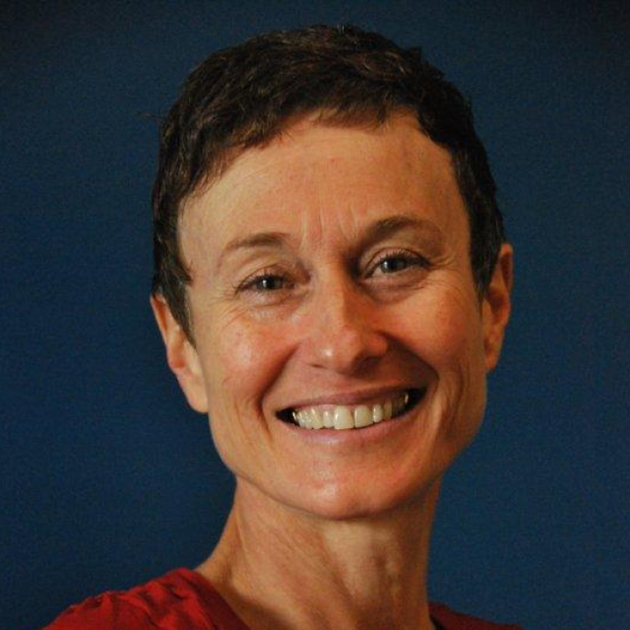
Assoc/Prof Judith Katzenellenbogen’s expertise in epidemiology has underpinned a public health career in South Africa, New Zealand and Australia. This includes experience working on health issues and health inequities and from diverse perspectives, including disease-specific research and burden of disease analysis, health purchasing, needs assessment, program evaluation and strategic planning. She has led innovative linked data and mixed methods approaches to the study of heart disease and stroke, including Strep A diseases, particularly in the Aboriginal context.
Academic profile
Megan Woodley
Aboriginal Research Assistant
Megan Woodley
Aboriginal Research Assistant
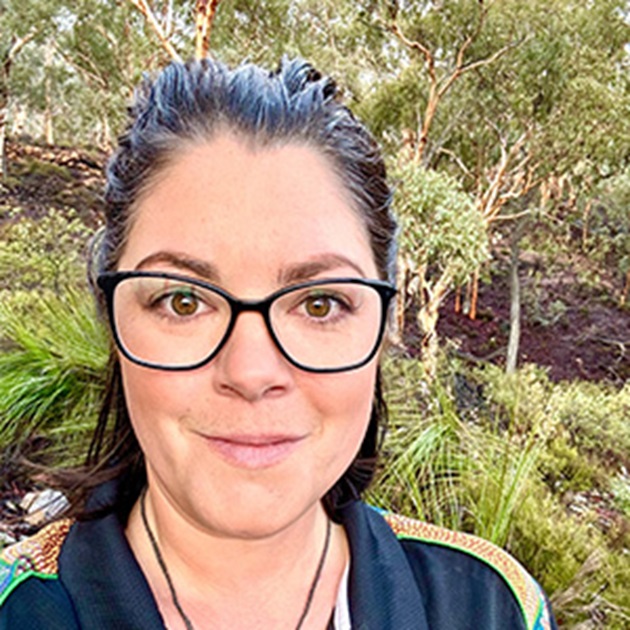
Megan Woodley is a proud Noongar Yamatji Yorga, At Ngangk Yira Institute for Change, in her role as an Aboriginal Research Assistant for the Coolamon Research and Advocacy Centre. Working with the team on the Australian Strep A Vaccine Initiative (ASAVI) , Megan is very passionate about supporting positive change with community.
Tia Whyman
Aboriginal Senior Research Fellow
Tia Whyman
Aboriginal Senior Research Fellow
Tia Whyman is a Paakantji woman who has a PhD in Psychology. Her research has focused on Aboriginal culture and Social and Emotional Wellbeing (SEWB), led by our Elders and community members. Currently, her work explores how changes to Country (climate change) is having an impact on the way Aboriginal people practice their culture and how this is having an impact of their SEWB. This is through the project titled Changes to Country: The role of Aboriginal cultural practices in mitigating the impact of, and adapting to, climate change to enhance Social and Emotional Wellbeing (MRFF 2035365).
Academic profile
Jacob West
Project Coordinator
Jacob West
Project Coordinator
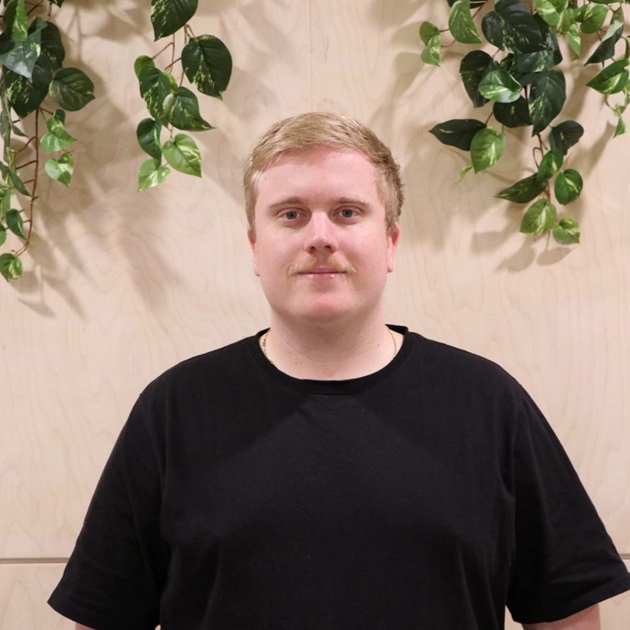
Jacob brings a rich background Changes to Country Project, combining a deep commitment to caring for country with expertise in climate research and the integration of First Nations practices with Western academic approaches. His diverse experience spans tertiary mental health settings, youth work centers, residential care, and research institutes. Jacob is particularly passionate about how diverse communities can be recognized and supported in resilience and recovery policy planning.
Jackie Parker
Honorary Research Fellow
Jackie Parker
Honorary Research Fellow
Jackie Parker is a leading advocate for improving the lives of Aboriginal Australians. With over 20 years of experience – including 15 in government administration and five in Aboriginal capacity building, including time spent living and working in a remote Aboriginal community – Jackie brings a unique blend of practical and academic expertise to the Coolamon Research Centre.
Victoria Stroud
Research Fellow
Victoria Stroud
Research Fellow
Victoria’s research recognises equity of knowledge that drives and guides us through life. Her PhD research – “Koorlungkas Yarning - Bidi moorditj koorlungkas – sharing pathways for our kids to grow up strong’ brought together cultural values of Aboriginal families from Whadjuk Noongar Country to strengthen early language development. Her approach to research advocates wolbranning gnulla bidi, that we share the pathway to healing as we learn the resilience of our respective knowledge, and the courage, healing, and friendship needed for our bidi moorditj koorlungkas, kids to grow up strong.
Academic profile
Joyce Drummond
Aboriginal Community Coordinator
Joyce Drummond
Aboriginal Community Coordinator
Aunty Joyce Drummond (Jugari) is a respected Yamatji Elder and founding executive member of the Pilbara Wakuthuni Community Council. Trained as a teacher and experienced community worker, she has worked in diverse roles including TAFE lecturer, ATSIC Councillor, classroom mentor, community representative, community-based project coordinator, and IBN field officer. She advocates for issues impacting Aboriginal communities at education and health conferences and forums. She contributes to the Healthy Homelands Research and Advocacy Hub through the Coolamon Centre at Murdoch University.
Associate Professor Caroline Nilson
Key Researcher
Associate Professor Caroline Nilson
Key Researcher
Associate Professor Caroline Nilson commenced her academic career at Murdoch University in 2005, and has thirty years of clinical nursing and midwifery experience in Africa, England and Australia. As an Associate Professor in the Discipline of Nursing, she has developed, coordinated and taught units in both the Undergraduate Bachelor of Nursing program and the now obsolete Postgraduate Master of Midwifery program. Caroline’s research interests are in health promotion and health education with Indigenous communities to improve food literacy for long term health and well-being outcomes.
Academic profile
Dr Mara West
Chair of Homelands Advocacy Hub
Dr Mara West
Chair of Homelands Advocacy Hub
Mara West has worked as part of Murdoch’s Remote Area Developments Group to deliver water and wastewater systems to remote WA communities, improving their environmental health and living conditions. Mara was awarded the University Medal (Murdoch University) for her services to the University and the community and was also awarded an Honorary Doctorate by Murdoch in 2023.
She is chair of the Homelands Advocacy Hub in the Coolamon Research and Advocacy Centre, Chair of the HEAL (Healthy Environment and Lives) Network WA Aboriginal Reference Group.
Tracy McRae
Research Fellow
Tracy McRae
Research Fellow
Brad Farrant
Associate Professor
Brad Farrant
Associate Professor
A/Prof Brad Farrant, a wadjella born on Whadjuk Noongar Boodja, is the WA Regional Co-Lead for the HEAL Network with Aunty Mara West. He supports Elder- and community-led research on early childhood development, focusing on how ecological factors like climate change and biodiversity loss impact children’s futures. He is particularly interested in connecting this work to Aboriginal people strengths and culture.
Academic profile
Tania Herbert
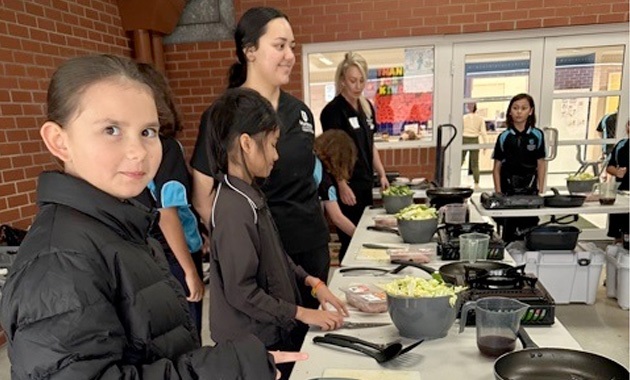
Cooking Class Facilitator (Deadly Koolinga Chef Program)
Tania Herbert
Cooking Class Facilitator (Deadly Koolinga Chef Program)
Raine Quinn
Research Administration Coordinator
Raine Quinn
Research Administration Coordinator
Raine brings a quiet and solid commitment to advocate for Aboriginal people in research. At the National Native Title Tribunal, she authored reports for Aboriginal language groups, and built genealogical and geo-enabled databases mapping Aboriginal connections to Country through time. At the Department of Housing, she supported Homelands Aboriginal Communities secure housing under the National Partnership Agreement. She currently provides administrative coordination for Coolamon projects and grant applications. She is passionate for change that brings real benefit to Aboriginal communities.
Janet Mmako
Research Fellow
Janet Mmako
Research Fellow
See how you can contribute
Help Ngangk Yira transform the lives of future Aboriginal generations.
Get involved

.tmb-630-sqcrop.png?Culture=en&sfvrsn=f257d44e_1)