
TCR sequencing to track cancer immunity
The Genomics Core Research Facility is enabling researchers to investigate what causes T-cells to drive a negative or positive immune response to cancers.

The Genomics Core Research Facility is enabling researchers to investigate what causes T-cells to drive a negative or positive immune response to cancers.

Powering COVID-19 research through genomics.

Professor Elizabeth Phillips is leading the Drug Hypersensitivity Research Group to investigate the genetics and mechanisms behind drug hypersensitivity.

Exercise is a cornerstone for the prevention and management of Type 2 Diabetes. However, until now, when to exercise to derive the greatest benefit was unknown

Research from Centre for Healthy Ageing suggests certain personality traits are associated with developing dementia.

Research from Centre for Healthy Ageing sought to investigate the effect of moderate-intensity and high-intensity exercise on cognitive function.
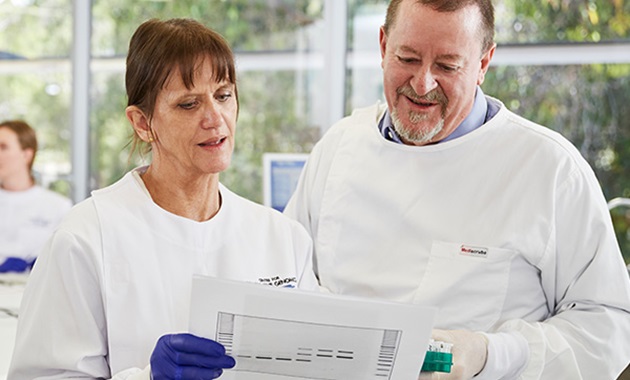
Research led by Professor Steve Wilton and Professor Sue Fletcher and licensed to Sarepta Therapeutics has delivered two treatments for Duchenne muscular dystrophy (DMD).

Murdoch researchers are delving into the clinical, laboratory, radiological, and genetic aspects of multiple sclerosis (MS) to increase our understanding of what causes the disease.

Researchers from Centre for Molecular Medicine and Innovative Therapeutics are exploring the genetics and molecular pathology of Parkinson’s disease with the goal of improving the precision and clinical management of patients.

Students and researchers from Murdoch’s Centre for Molecular Medicine and Innovative Therapeutics are investigating ways to increase the number of Australians with multiple sclerosis (MS).
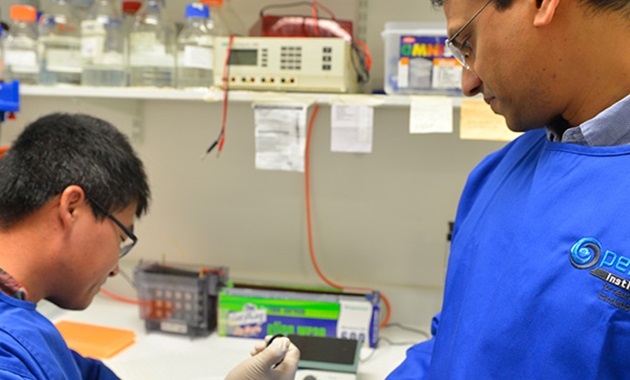
Delivering a novel test for COVID19.