By 2030, the number of Australians aged over 65 years will surpass children aged under 14 years. The Centre For Healthy Ageing brings together multi-disciplinary researchers to investigate novel ways of maintaining quality of life and promoting healthy ageing in older adults.
The centre focuses on screening, diagnosis, and prevention of age-related conditions to improve health-span and delay ageing while encouraging higher functionality and resilience.
The centre’s core research areas
Our research is driven by a group of multi-disciplinary researchers and clinicians with a common interest in improving the health-span and quality of life of older adults.
Ageing and Cognition
We improve cognitive health and reduce dementia risk in older adults by conducting high-quality research that supports development and implementation of novel screening and assessment measures as well as preventive and therapeutic interventions to improve cognitive functions and reduce dementia risk.
Ageing and Function
We research the underlying physiological markers of age-related decline in physical function on which evidence-based interventions that improve physical function can be developed and implemented, engaging with the local community to ensure successful delivery and impact.
Ageing and Physical Health
We improve the health-span and quality of life of older adults through research on age-associated physical health and morbidity. Our group includes basic and applied researchers, as well as clinician-researchers who work collaboratively to achieve this mission.
Ageing and Mental Health
We undertake high-quality research to understand the underlying mechanisms of age-related changes in mental health and examine evidence-based preventive and therapeutic interventions to improve mental health.
Health Economics and Epidemiology of Ageing
We aim to improve health-span and quality of life of older adults through high-quality health economics research that guides finite resource allocation towards efficient and effective ageing intervention and research.
Ageing and Societal Research
We foster sustainable approaches to improving societal aspects of healthy ageing in Australian communities through research into the development and implementation of purpose, independence and autonomy in the lives of older Australians.
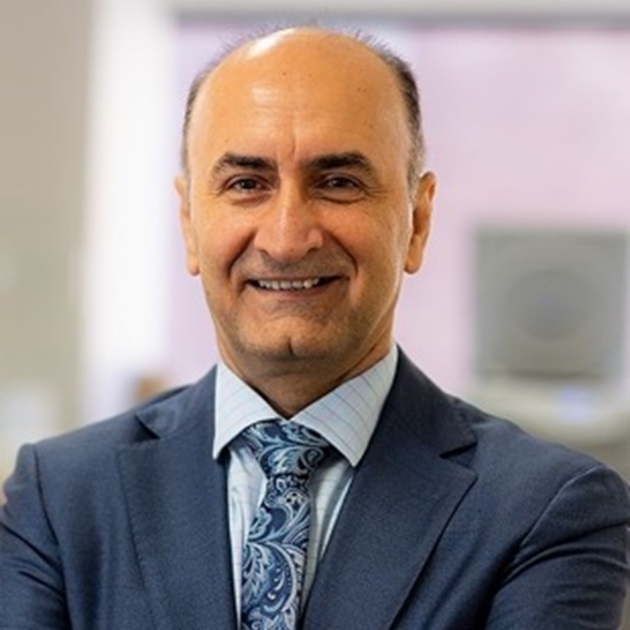
Dr Sohrabi has spent the last 15 years of his career investigating healthy ageing. As a psychologist and a clinical neuroscientist, he has extensive expertise in coordinating large multi-disciplinary teams and leading roles in national and international studies.
Dr Sohrabi’s current research is focused on preclinical diagnosis of Alzheimer’s disease and preventive interventions to promote healthy ageing in older adults.
Associate Professor Brook Galna is based at the School of Allied Health. He conducts multidisciplinary research on how much, how well and how often people move, and how that movement changes across the lifespan and in response to neurodegenerative or neurodevelopmental conditions. His research shows that discrete digital signatures of movement may provide aid earlier and more accurate diagnosis of age-related diseases, such as Parkinson’s, predict deleterious health outcomes such as falls.
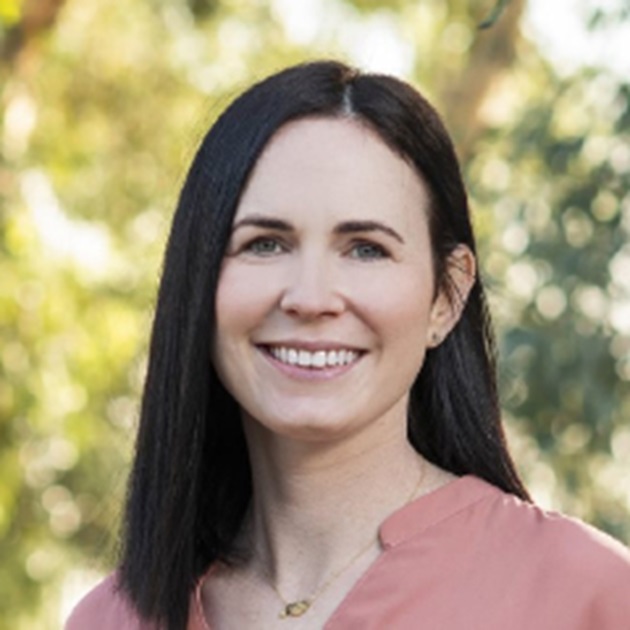
Dr Brown’s research is primarily focused on understanding the role of lifestyle in maintaining a healthy ageing brain and preventing cognitive decline and dementia. Her previous work has identified a role of physical activity in reducing toxic brain proteins associated with Alzheimer’s disease, enhancing cognitive function, and maintaining brain volume.
Dr Peiffer’s research is focused on understanding the role of exercise in maintaining a healthy brain in older adulthood. He also supervises a number of Honours, Masters and PhD students who are undertaking research in areas ranging from intervals training in elite athletes to the influence of exercise on chronic disease.
Dr Fairchild’s research spans the immediate to longer-term biochemical responses to exercise. As an Accredited Exercise Physiologist, he has a particular interest in adopting exercise programs to improve clinical outcomes. His specific clinical and research interests include metabolic conditions associated with ageing, such as Type 2 Diabetes.
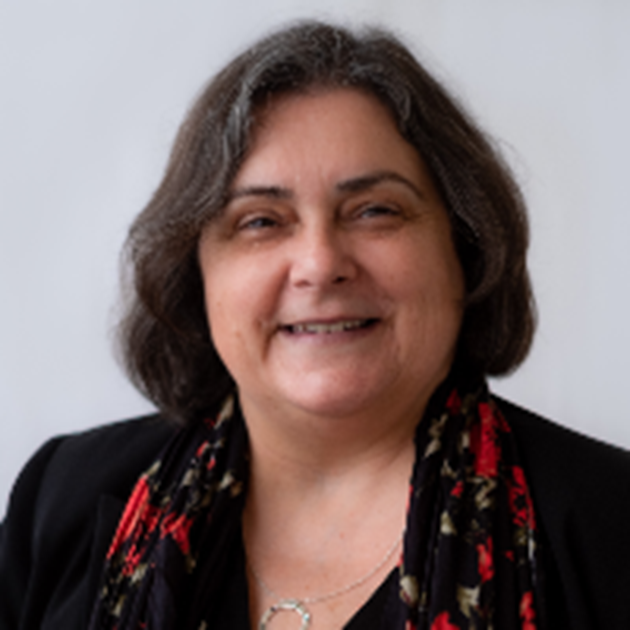
Dr Vallence’s work investigates the role of brain network connectivity in the age-related decline in voluntary movement control using advanced non-invasive brain stimulation protocols. This research is expected to provide the neurophysiological knowledge required to develop targeted interventions to reliably improve movement control in the aging population.
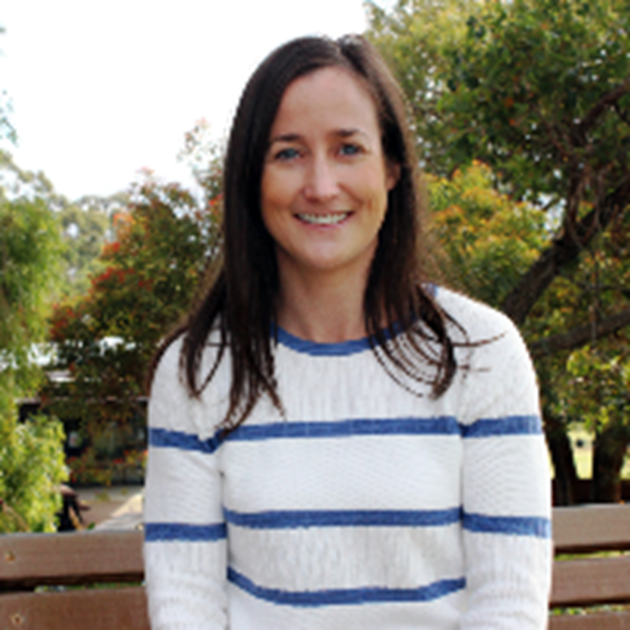
Dr Watson investigates the construction of strategic change endeavours in not-for-profit mergers of organisations centred on providing healthy ageing options for beneficiaries. Her research is focussed on exploring the possibilities of community nodes that interconnect service delivery and community development through relationships and network building.
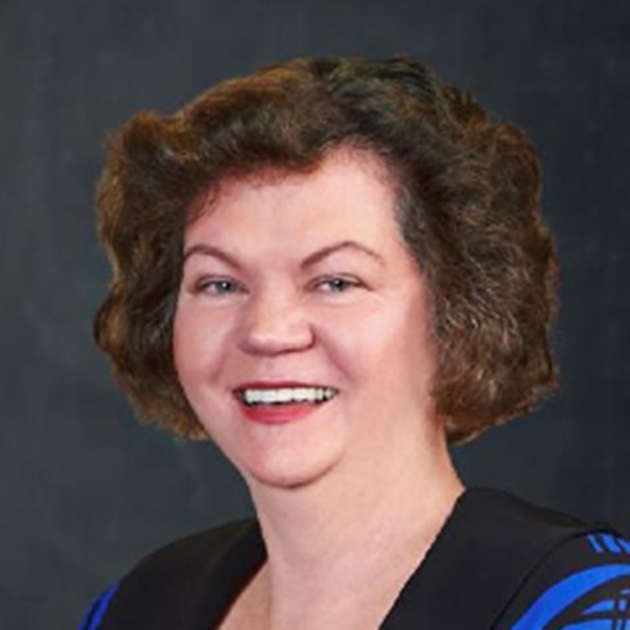
Dr Paull is a widely recognised researcher in the field of volunteering and nonprofit organisations. Her doctoral research examined the management of older volunteers in different settings. Most recently, she has been examining the role of volunteers in aged care settings, including the contribution volunteering makes to the health and wellbeing of older people.
Associate Professor Khurshid Alam is a trained health economist interested in evaluating cost-effectiveness and cost-benefit of different preventive and curative health care interventions. He is also interested in examining economic implications of diseases and illnesses, including ageing on individual, household and health systems level.