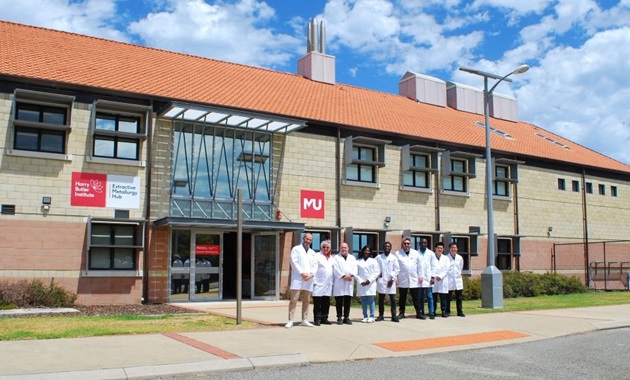
Extractive Metallurgy Hub
Murdoch University’s Extractive Metallurgy Hub is a key enabler of Western Australia’s transition to sustainable metals production and a low-carbon economy.

Murdoch University’s Extractive Metallurgy Hub is a key enabler of Western Australia’s transition to sustainable metals production and a low-carbon economy.
---trish-fleming.tmb-630-53crop.jpg?Culture=en&sfvrsn=38a19bb5_1 "Digging mammals important for ecosystem health")
Australian digging mammals have played an important role in transforming the country's ancient, infertile soils.
.tmb-630-53crop.jpg?Culture=en&sfvrsn=d91d769_1 "Environmental Insecurity Risks in the Indo-Pacific Region")
International experts working to anticipate, assess impacts of, and inform preparedness against environmental insecurity risks in the Indo-Pacific region.
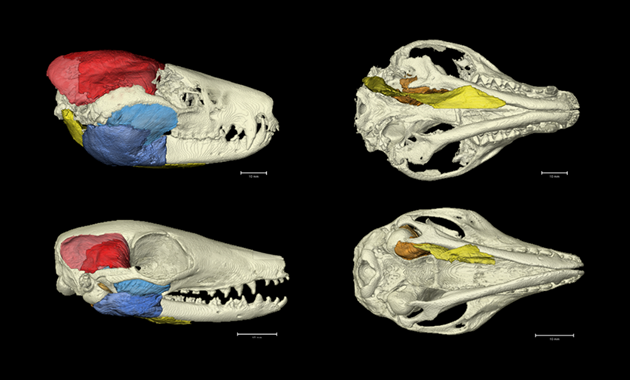
A collaboration between Murdoch University researchers and the Centre for Microscopy, Characterisation and Analysis (CMCA at UWA) is shedding new light on the anatomy of Western Australian wildlife.
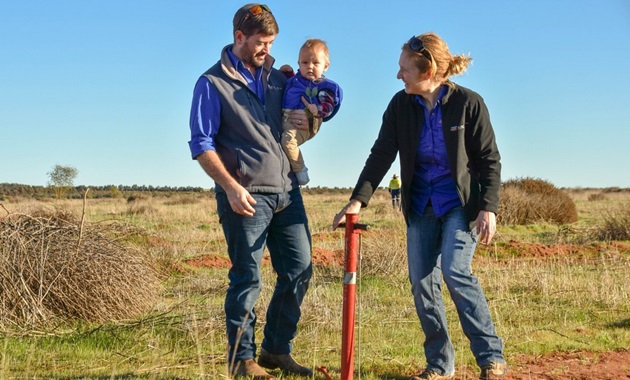
Globally, deforestation occurs at an alarming rate of 4–7 million hectares annually, causing biodiversity loss and land degradation. A large proportion of this land clearing is for agriculture and livestock but also for biofuels.

Abandoned farmlands provide a unique opportunity for the ecological restoration of degraded landscapes.

Over the last three years the Roleystone community and wildlife rehabilitation centres have become concerned over increasing numbers of the small marsupial seen with severe skin disease in local reserves and backyards.
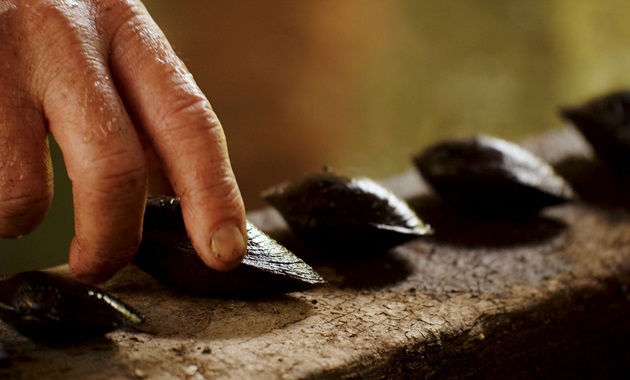
Community, industry and research come together to tackle water health under the Alcoa Foundation Cybernetic Water Monitoring Project. In partnership with the Alcoa Foundation, researchers have developed an early warning and response system for fish kills.

A key challenge in preserving Australia’s incredible biodiversity is managing the devastating impacts of invasive species.
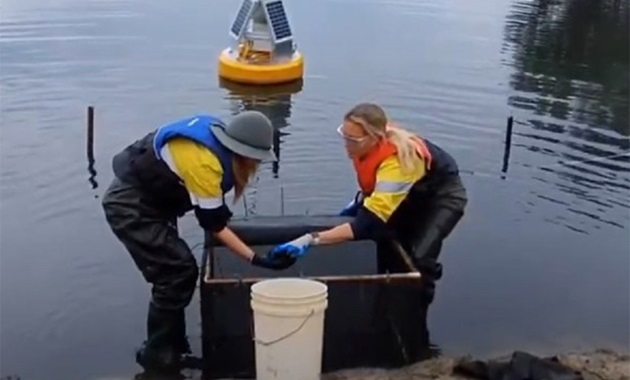
One hundred and sixty threatened Carter’s Freshwater Mussels have been safely relocated to the Vasse River after their health and habitat were temporarily compromised by a new bridge development in Busselton City.
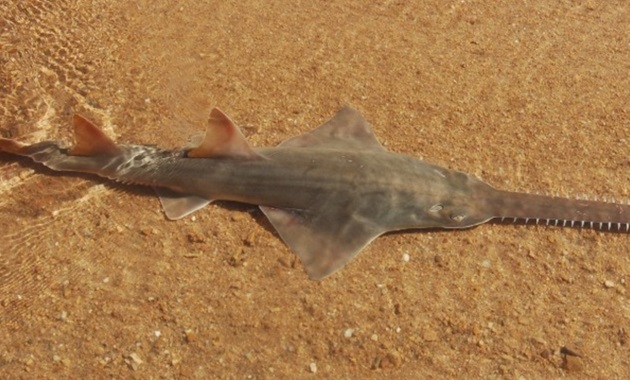
Researchers are working with Indigenous rangers in the Northwest to identify ideal habitats of critically endangered freshwater sawfish in Western Australia’s Fitzroy River.
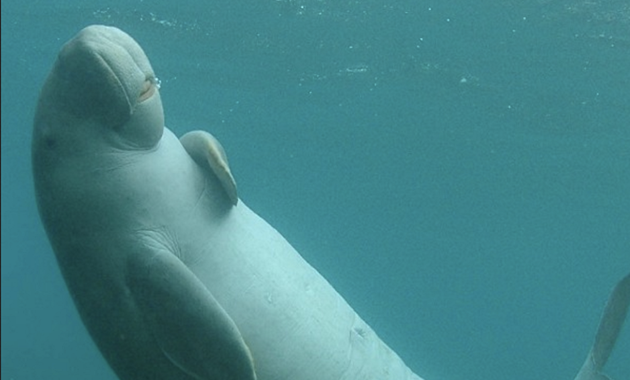
Dr Cleguer is on a mission to save the dugong, using unmanned aerial vehicles, or ‘drones’ to survey and assess dugongs and their habitats.
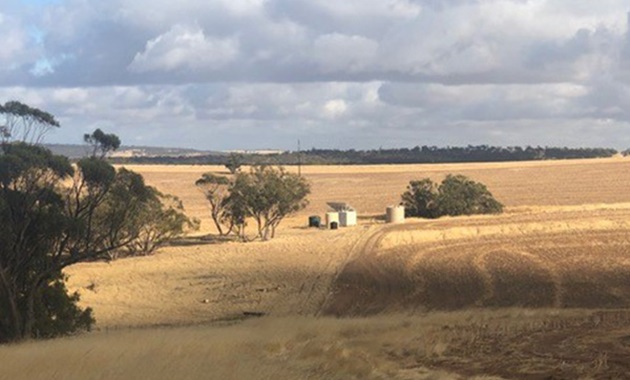
As the cost of treating and delivering water to regional areas rises, Murdoch researchers are looking to solar-powered desalination plants as a sustainable solution.
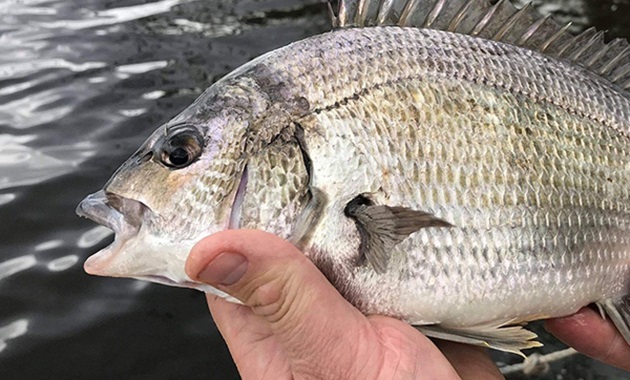
Murdoch researchers and recreational anglers, Dr Alan Cottingham and Dr Ben Roennfeldt, are on a mission to ensure a viable future for the Murray River black bream population after research found falling numbers of the fish.
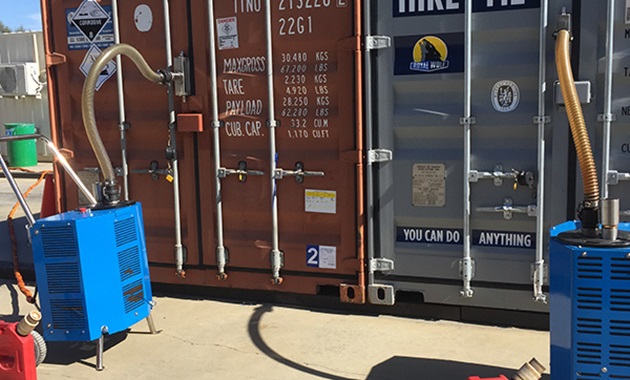
The Harry Butler Institute is at the forefront of developing those solutions with several new treatments and technologies under patent for industrial biosecurity. In most cases, they are born from corporate partners presenting us with problems to solve.
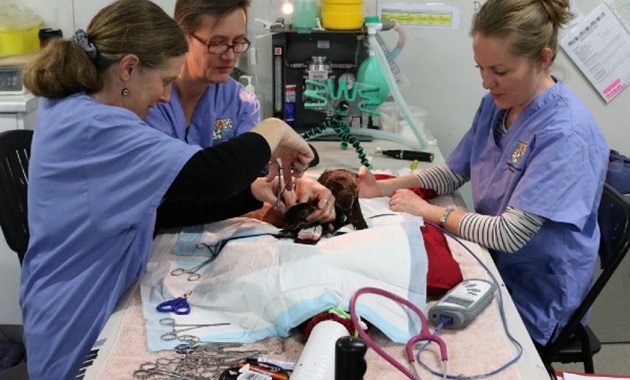
Professor Kris Warren is leading research to better understand the heath, demographics and ecology of black cockatoos to secure the future of these beloved Australian birds.