


CCFI 2025 Annual Research Report now live
The CCFI 2025 Annual Research Report details our work across the Centre, highlights the research approaches we’re exploring, and explains how our researchers are working to enhance farmer productivity, agricultural sustainability, and global food security.
The Report can be viewed, downloaded and shared here. Alternatively, you can access and download the report as a PDF here. If you would like a physical copy of the report, please get in touch.
Our research goals
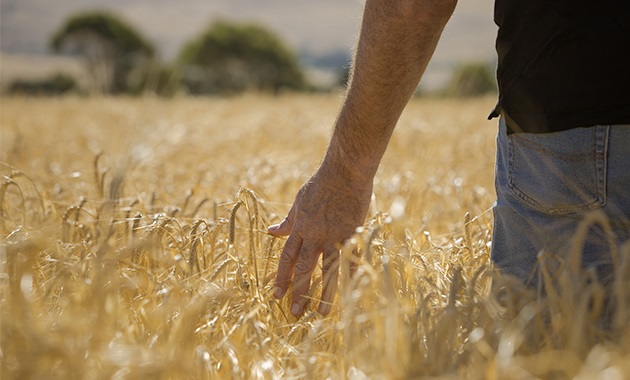
Farmer profitability
Our research is dedicated to enhancing crop quality and yield to keep Australian grain producers competitive in world markets for example, we focus on improving the protein content and baking quality of wheat. Additionally, we use genomics and the latest molecular technologies to produce new crop varieties which are resilient to both abiotic and biotic stresses and possess improved input use efficiencies, leading to improved profitability in changing climate scenarios.
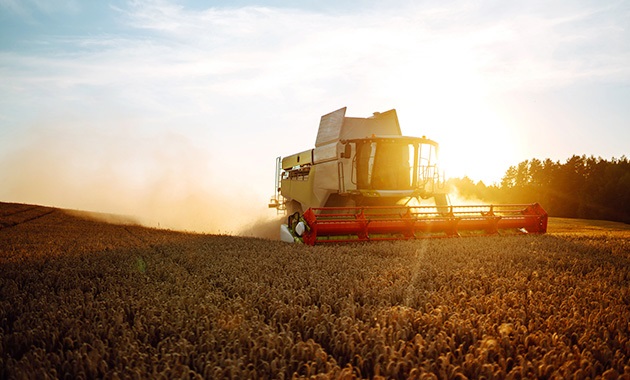
Food security
Our research focuses on pioneering food production frontiers, from sequencing genomes to developing new crop varieties and to adding value to food products. Our researchers examine the genetic makeup of plants to understand and enhance resilience, nutritional content and growth efficiency. Our mission is to develop sustainable crop varieties specifically designed to overcome the twin challenges of a changing climate and the nutritional needs of a burgeoning global population.
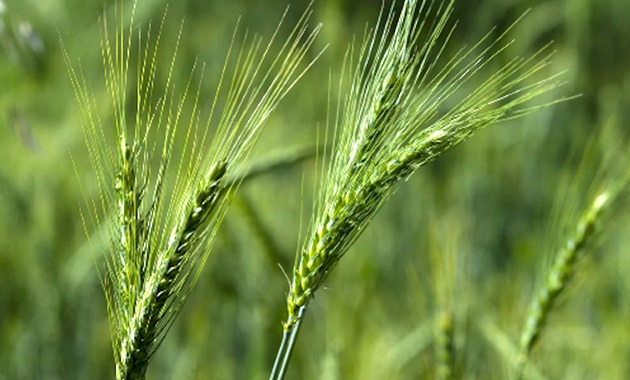
Environmental sustainability
CCFI's research targets global greenhouse gas emissions, soil health improvement, and non-harmful pest and disease management.
We strive to preserve biodiversity with minimal ecosystem damage and meet health and biosecurity challenges affecting humans, animals, plants and their shared environment.
Our strengths
Links to industry and international agriculture
CCFI engages both the public and private sectors, ensuring that genetic products and research findings are readily accessible to stakeholders and end-users. Our strong connections to the grains, pastures and horticultural industries guarantee that our research outputs are compatible with industry best practices, community engagement, vocational training, and evidence-based government policies. CCFI maintains strong international networks in the agriculture sector, with our translational research contributing scientific input to global public policy decisions.
Genetic editing, functional genomics & systems biology
We leverage and integrate multi-omics datasets with efficient, customisable gene-editing tools to decipher the function of biological systems,providing a systems-level understanding of complex plant phenotypes related to adaptation, yield, and end-use. Ultimately, this knowledge informs the design of new approaches to increase resilience, productivity and profitability.
Genomics, bioinformatics and prebreeding
Through the use of the State Agricultural Biotechnology Centre’s Advanced Genomics Platform (AGP) facility, CCFI is engaged in de novo assembly, pangenomics, haplotype cataloguing, spatial transcriptomics, predictive breeding and database development, as well as AI and machine learning approaches to aid pre-breeding and crop research.
Multidisciplinary approach
CCFI fosters collaboration and inclusivity, employing both multidisciplinary and interdisciplinary approaches in all research endeavours. Across genomics to physiology, pathology, and soil sciences, we take pride in our ability to engage experts across diverse fields for collaborative efforts.
Our approach

Ingenious genomics research
CCFI is dedicated to empowering farmers and enhancing their competitive edge in the global market. Our world-class facilities are leading the way towards improved crop genomics, genetics, molecular biology, and bioinformatics. Our state-of-the-art sequencing and high-performance computing facilities enable the development of extensive genomic resources, including reference genomes, pangenomes, markers, superior haplotypes, candidate genes and genotyping platforms. These tools are crucial for both fundamental and applied research aimed at crop improvement. Our multidisciplinary approach enables in-depth exploration of trait biology, offering genetic solutions and advanced pre-breeding technologies to breeders.
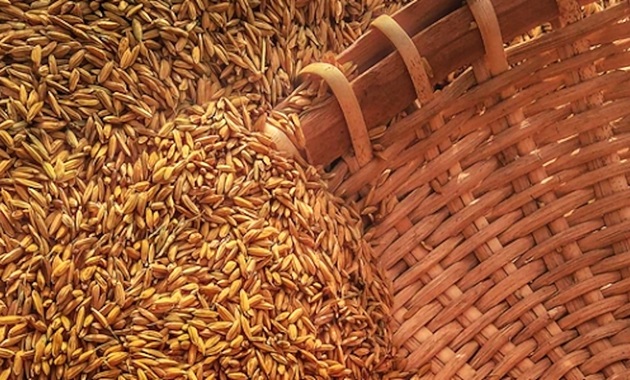
Innovative agricultural biotechnology
Our extensive expertise and multidisciplinary approach empower us to address critical challenges faced by Australian farmers, devising innovative solutions to enhance crop yield, improve quality, increase tolerance to biological and environmental stresses. Using cutting-edge genetic engineering methods, we transfer genes between related or unrelated species, employing recombinant DNA technology to develop genetically modified (GM) plants. Our research also focuses on non-GM enhancements in yield, quality and reducing losses from pests, diseases and environmental conditions. We work towards harmonising Australian genetic engineering regulations while promoting consumer awareness and acceptance of genetically engineered crops to ensure better food outcomes for all.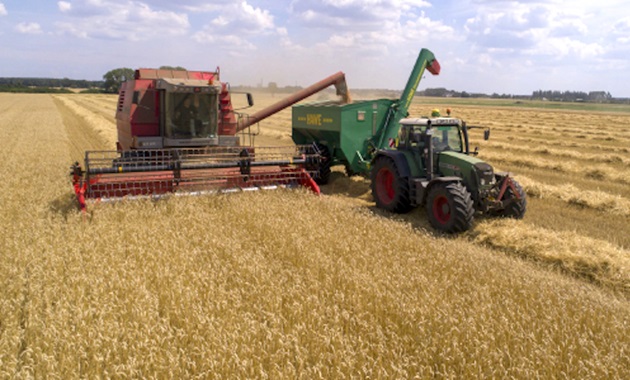
Inventive agri-tech and food technologies
Our teams of scientists, engineers and industry experts collaborate to unlock crop potential, employing advanced techniques including remote sensing, robotics, and real-time sensors for crop and soil monitoring. Digital technologies, supported by advanced analytics, are providing practical solutions for Australian growers, aiding informed decisions on agricultural inputs, pest and disease management. Precision agriculture, guided by real-time data and integrated systems, is revolutionising Australian farming, leading to increased yields, optimised input efficiency, reduced costs, and enhanced environmental protection. Advances in food and nutrition science contribute value to products through research on prolonging export shelf lives minimising anti-nutritional compounds and substituting plant proteins for animal proteins
News from the Centre
Contact us
Centre for Crop and Food Innovation
Phone
+61 8 9360 6000
Email
General enquiries
Technical and facility enquiries
Location
Building 390, Level 3
Discovery Drive, Perth Campus, 90 South Street