
student story
Rapid Sepsis Diagnosis: Dr Christopher Mullally’s Groundbreaking Research at Murdoch
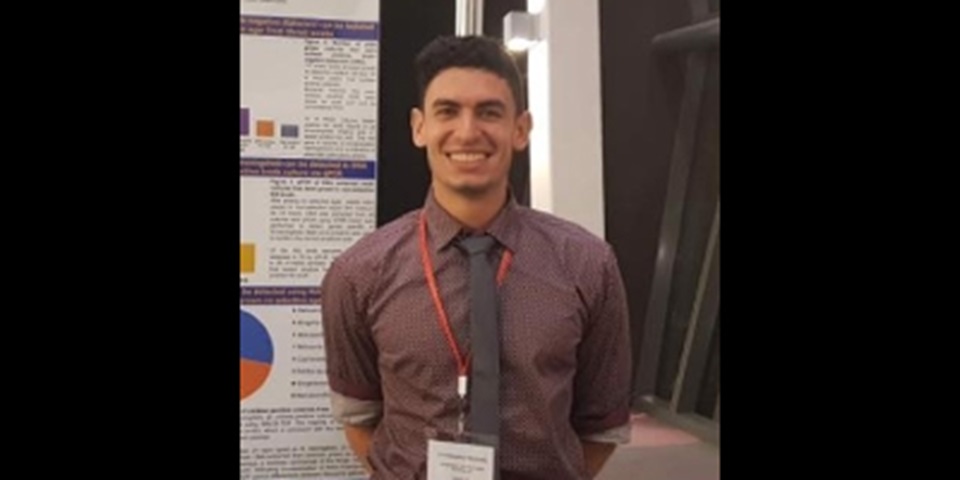
"Every step forward in our research brings us closer to faster, more accurate sepsis diagnostics—ultimately saving lives." — Dr Christopher Mullally.
Sepsis as a result of infection is a life-threatening condition, particularly for preterm infants, where early detection is critical for survival. Dr Christopher Mullally, a postdoctoral researcher at Murdoch University, is leading a project to develop a faster and more reliable molecular diagnostic test for sepsis.
Dr Mullally’s work is supported by Professor Andrew Currie, a discovery scientist with over 22 years of experience in immunology and infectious diseases, particularly in paediatric sepsis. He leads the Sepsis Diagnostics Research Group at Murdoch University and co-heads the Neonatal Infection and Immunity Team at the Telethon Kids Institute.
In collaboration with King Edward Memorial Hospital, Fiona Stanley Hospital, and the Kids Research Institute, Dr Mullally’s team is testing a PCR-based method that detects sepsis-causing bacteria in under eight hours. This is a significant improvement over the current bacterial culture method, which can take up to five days. Faster diagnosis will enable quicker treatment decisions, reduce antibiotic overuse, and facilitate better patient outcomes.
Dr Mullally’s PhD work focused on identifying virulence-associated genomic differences in Neisseria meningitidis and validating small molecules to inhibit EptA, an enzyme involved in antimicrobial resistance.
Beyond diagnostics, Dr Mullally is expanding research into coconut oil therapy for neonatal sepsis prevention. Initially introduced by Clinical Professor Tobias Strunk, this treatment has been adopted as a routine standard of care at King Edward Memorial Hospital. The oil’s antimicrobial and anti-inflammatory properties show promise for treating conditions such as burns, eczema, and oral mucositis in pediatric chemotherapy patients.
Dr Mullally acknowledges the challenges of working with neonatal patients, including ethical considerations in blood sample collection and integrating new diagnostic workflows into hospital pathology systems. However, by bridging cutting-edge science with clinical practice, his work aims to revolutionise sepsis management and improve neonatal and adult healthcare worldwide.
“This research is about translating laboratory findings into real-world clinical solutions.”
Donald Charlton