
News
Murdoch Researcher Leading Australia’s Fight Against Tick-borne Disease
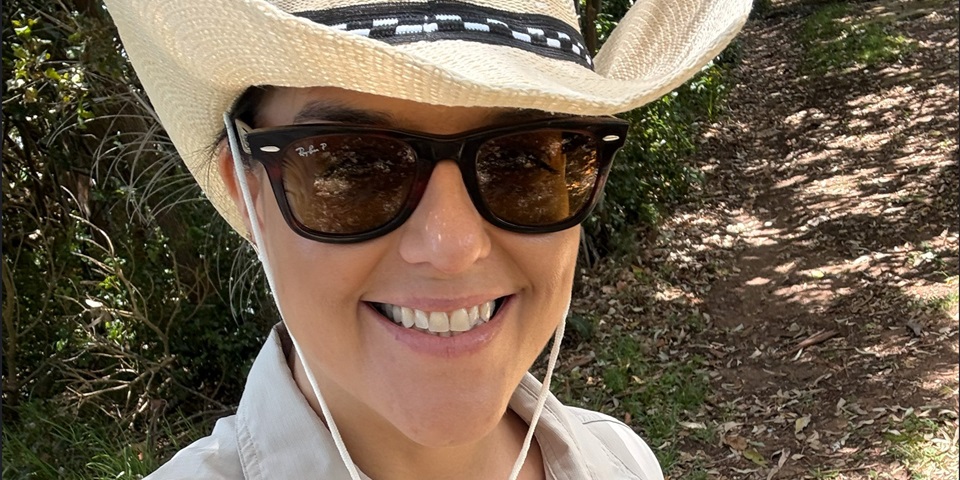
Meet-your-teachers: Associate Professor Charlotte Oskam
Associate Professor Charlotte Oskam, a molecular biologist in Murdoch University’s School of Medical, Molecular and Forensic Sciences, is helping reshape Australia’s understanding of ticks, parasites and the pathogens they carry. Taking a holistic, systems-level approach, she investigates the biology and ecology of ticks, the microbes they host, and how these interactions influence human, animal and environmental health. Through innovative molecular techniques and wide-ranging collaborations, her work is uncovering the hidden microbial world inside ticks and the risks they pose to across ecosystems.
As head of the CrypTick Laboratory within the Harry Butler Institute, Charlotte specialises in advanced DNA based diagnostics, including qPCR, next-generation sequencing, genotyping and environmental DNA analysis. Her research integrates multiomics, population genetics and ecological tools to unravel parasite–microbe–host relationships. These tools allow her team to detect pathogens from even the smallest or most degraded samples, making them invaluable for studying vectors such as ticks.
Revealing the unseen world inside Australian ticks
Australia’s tick fauna is diverse, yet the pathogens they carry remain poorly understood. Charlotte’s research is filling this gap by mapping the bacterial communities—known as the tick microbiome—across species and regions. Her group uses high performance computing to analyse vast genetic datasets, identifying bacteria that may be linked to disease in humans and animals.
This work has positioned Murdoch University as a national leader in tickborne disease research, particularly in the ongoing investigation of Debilitating Symptom Complexes Attributed to Ticks (DSCATT) in Australia. By examining whether local ticks carry Borrelia or other emerging pathogens, Charlotte’s group of collaborators and research students is providing critical evidence to inform public health policy.
Protecting Australia’s animals and environment
Beyond human health, Charlotte collaborates extensively with veterinarians, ecologists and wildlife specialists to study parasites affecting companion animals, livestock and native species. Her research includes surveillance of cattle ticks and protozoan parasites such as Babesia and Theileria, which can cause significant economic losses in the agricultural sector.
Her work in environmental DNA also supports conservation efforts, enabling the detection of pathogens in water sources and wildlife habitats without disturbing ecosystems.
Engaging the public on tick awareness
Charlotte is a regular voice in national media, including ABC Radio National, where she shares practical advice on tick behaviour, prevention and the importance of understanding Australia’s unique tick ecology. Her outreach helps equip hikers, pet owners and regional communities with knowledge to reduce tick-related risks.
With more than 4,000 citations and a growing portfolio of high-impact publications, Charlotte continues to advance Murdoch University’s reputation as a hub for molecular parasitology and vector-borne disease research. Her work is shaping how Australia prepares for and responds to emerging infectious threats—one tick at a time.
You can find out more about our course options in Biomedical and Molecular Sciences here: https://www.murdoch.edu.au/schools/medical-molecular-and-forensic-sciences/study