News
Western ringtail possums are feeling the heat
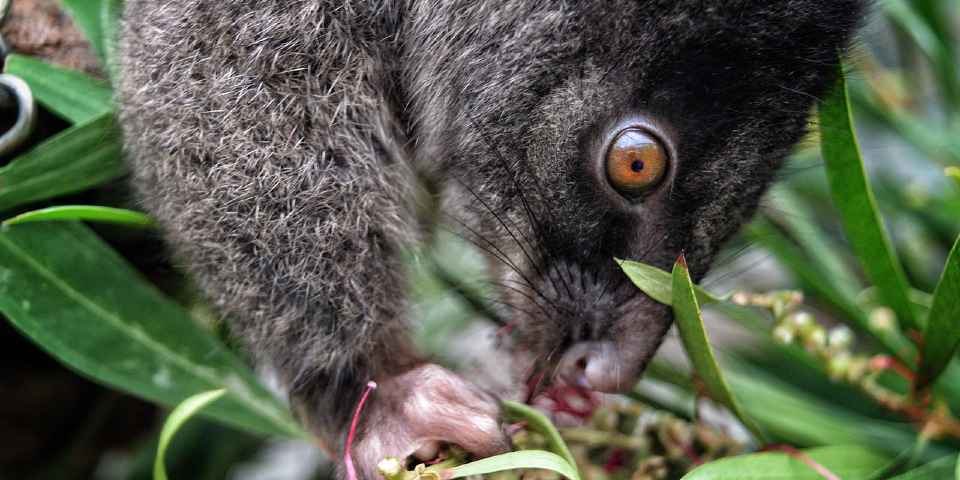
Extreme heat is forcing Western Australia’s critically endangered western ringtail possum (Ngwayir) to cut back on vital activity and feeding, new research shows.
The study, a collaboration between the Western Australia Department of Biodiversity, Conservation and Attractions (DBCA), Murdoch University, The University of Western Australia and Biota Environmental Sciences, examined how extreme but non‑lethal heat affects ringtail possum behaviour — an area poorly understood by scientists.
During the summer of 2024–25, which included several heatwaves, the research team monitored ten western ringtail possums living south of Perth. Each animal wore a lightweight collar fitted with GPS and accelerometer devices to record activity levels.
The study found that on very hot days (above 40°C), nocturnal activity declined by up to 43% in males and 31% in females, compared with cooler days (around 27°C).
“What really stood out was that the biggest drop in activity happened early in the evening, when western ringtail possums usually do most of their feeding,” said DBCA research scientist Harry Moore, who was the lead author on the study.
“That’s concerning, because it suggests they’re missing critical foraging opportunities on the hottest days, which can lead to weight loss and lower energy levels,” he said.
Dr Moore said those changes could potentially translate to lower rates of reproduction and survivability.
“During one of the heatwaves, we lost a collared possum that likely died from heat stress, and another was found showing clear signs of overheating such as panting, shaking and licking its paws."
“It highlights just how vulnerable this species is when temperatures climb."
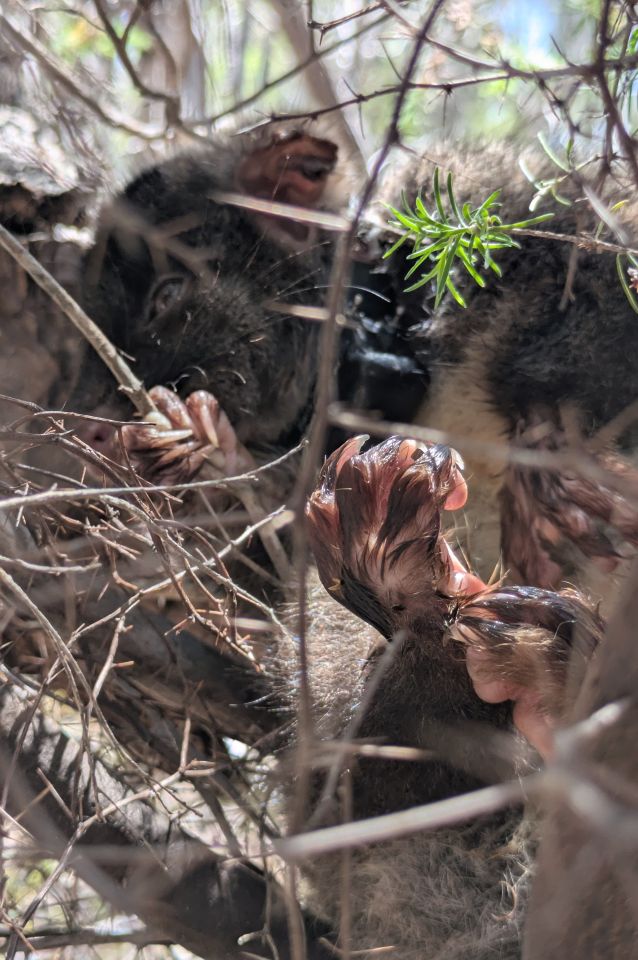
The Western Ringtail Possum is listed as critically endangered under the Environment Protection and Biodiversity Conservation Act, and it was recently believed that the species had declined by more than 80% in ten years to an estimated population size of around 3,400 mature individuals.
However, last year, Murdoch University School of Environmental and Conservation Sciences PhD candidate and zoologist Roy Teale led the largest and most rigorous wildlife survey ever done for the species, surveying 41 sites over 1,200km of transects across the range of the species.
Researchers estimated the population size at around 21,800 possums in just the surveyed footprint, nearly seven times higher than previous estimates with a lot of habitat still unsurveyed.
“One encouraging finding from my earlier research was that western ringtail possum numbers are far higher than we previously believed,” Mr Teale said.
But Mr Teale, who was a co-author on this latest study, said climate change still poses a threat to western ringtail possums.
“Higher numbers don’t mean the species is safe. With climate change driving more frequent and intense heatwaves, our latest findings show new risks emerging that could still threaten the species’ long‑term survival.”
Dr Moore recommended that future climate vulnerability assessments needed to move beyond counting deaths.
“Our results show that it’s not enough to look at whether animals survive heatwaves — we also need to understand what heat is costing them,” he said.
“Protecting cooling habitat like large trees, canopy cover and natural hollows, and factoring behavioural stress into climate‑risk planning, will be critical as extreme heat becomes more frequent.”
The paper, Sublethal effects of extreme heat on a critically endangered marsupial, is available in the journal Pacific Conservation Biology.
News
Western ringtail possums are feeling the heat
Posted on
Topics