News
Researchers identify hotspots and patterns behind deliberately lit fires in WA
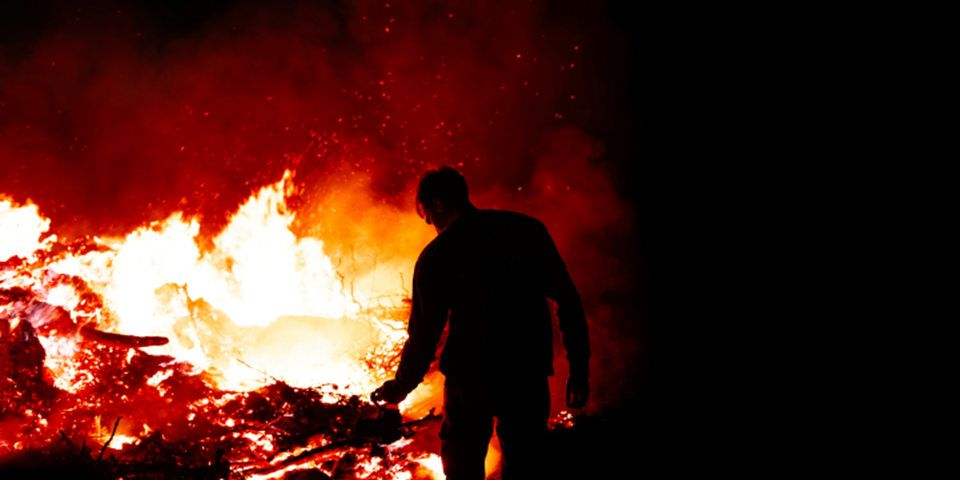
As the next wave of hot days approach, researchers from Murdoch University are urging people living near bushland to be extra vigilant about preparing for arson.
A new study from Murdoch University has identified distinct patterns in the locations and timing of deliberately lit fires across Western Australia.
In the paper, Crimino-forensic applications to arson prevention: spatiotemporal factors, published in the journal Science & Justice earlier this week, researchers applied criminological theory to forensic data analysis to help locate the next potential arson site.
Led by PhD candidate Tess Meyer, as part of her Master of Forensic Science studies, the team acquired six years of data on deliberately lit fires from the WA Department of Fire and Emergency Services and explored it for trends.
“Some of the results confirmed what we always assumed about arson in Perth,” Ms Meyer said.
“Namely, that it was more common in hotter months, during late afternoon, and was more prominent on weekends and during public holidays, suggesting that illegal fire-lighting coincided with ‘leisure time’.”
The study also uncovered new findings about what deterred and facilitated arsonists in starting a fire, which coincided with criminological theories on offenders’ behaviour.
“Police and fire stations as well as proximity to waterways were all seen to act as deterrents, while access to petrol stations and main roads were facilitators to how arsonists choose locations to set fires,” Ms Meyer said.
The study also consolidated Murdoch University’s commitment to its strategic themes, using traditional First Nations seasons to explore data trends, as they better aligned with observed weather than the traditional Gregorian calendar. The team believes this is the first use of First Nations seasons in a forensic science context and hopes that it paves the way for future adoption by other researchers.
Ms Meyer said she hoped the research would help the community to prevent future fires.
“I hope the research helps town planners and fire and emergency services to construct neighbourhoods that deter fire setting behaviour and help apprehend offenders,” she said.
“Prevention is always the best first option.”
The project highlights how multidisciplinary research can address important societal issues with Associate Professor Brendan Chapman and Dr John Coumbaros from the School of Medical, Molecular and Forensic Sciences and Professor David Keatley from the School of Law and Criminology working together to oversee the study.
News
Researchers identify hotspots and patterns behind deliberately lit fires in WA
Posted on
Topics