News
Researchers give update on neurological condition impacting magpies in WA
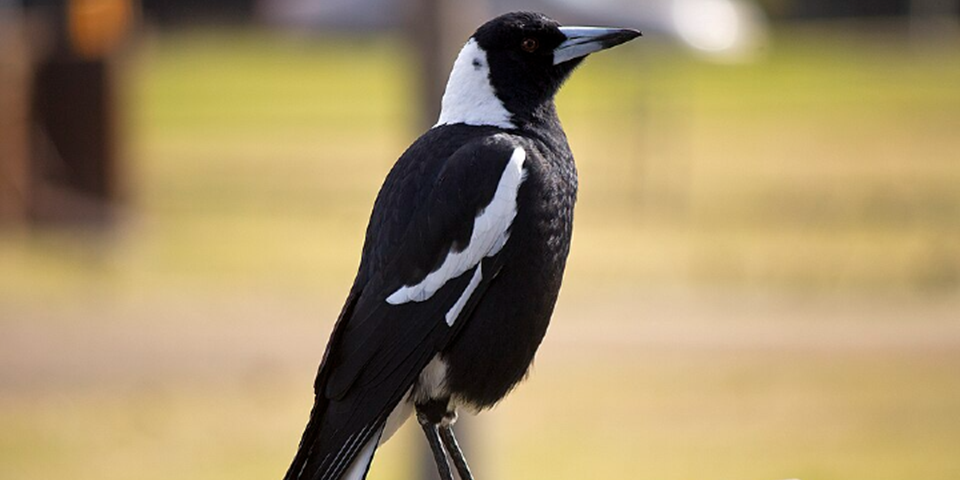
Murdoch University researchers have given an update on their investigation into the mysterious neurological syndrome affecting magpies in Western Australia.
In April 2025, Murdoch University partnered with WA Wildlife to conduct an intensive investigation into the mysterious neurological syndrome affecting magpies in WA.
Using the last known cases, researchers carried out a comprehensive study to uncover possible causes of this unusual condition.
While the research team is yet to find a definitive cause of neurological syndrome, ongoing molecular testing and pathology have provided some leads.
Dr Flaminia Coiacetto, Senior Lecturer at Murdoch University’s School of Veterinary Medicine, said the investigation so far had allowed the team to rule out several possible causes.
“This is an important step forward,” Dr Coiacetto said.
“While we don’t yet have a definitive answer, the progress we’ve made is guiding our next steps.
“This work is complex, but every piece of information brings us closer to understanding what’s happening and how best to respond.”
What the research involved
The investigation involved three major steps:
- Molecular testing for known and unknown pathogens, including viruses, bacteria, and parasites, as well as screening for important notifiable diseases through DPIRD.
- Environmental contaminant screening, testing liver samples for approximately 250 substances such as heavy metals, pesticides, herbicides, and rodenticides.
- Post-mortem and pathology, examining organs and tissues under the microscope for signs of disease or infectious agents.
What we know so far
Dr Bethany Jackson, from Murdoch University's Centre for Biosecurity and One Health and School of Veterinary Medicine, said testing has ruled out notifiable diseases such as bird flu and Newcastle disease.
Botulism was not detected, although this remains difficult to exclude completely.
Glyphosate was absent from all samples, and while low levels of legacy pesticides (such as dieldrin and DDT byproducts), rodenticides, and some heavy metals were found, these were similar in both affected and unaffected birds.
“As with other contaminants that persist, we are not surprised that second-generation rodenticides are present,” Dr Jackson said.
“This reinforces the importance of using all pesticides, herbicides, and rodenticides sparingly and with thought for secondary toxicity and environmental impacts.”
What’s next
The team will continue investigations into potential infectious agents, including blood parasites and insect-borne viruses, and will focus on comparing ‘normal’ cases to those showing neurological signs.
Further testing and possible treatment trials are planned for the next season.
“Complex wildlife diseases like this often take multiple seasons to investigate, and sometimes no definitive cause is found,” Dr Coiacetto said.
“Our team is committed to continuing this work into the next season and building on what we’ve learned so far.
“We thank the public and our wildlife sector colleagues for their continued support as we respond to this challenging and unusual condition.”
Public guidance
The project was made possible thanks to the support of NMI laboratories, DPIRD, wildlife centres and volunteers — including Darling Range Wildlife Shelter, Kanyana Wildlife, Perth Wildlife Hospital, and WA Wildlife — as well as private donors and Murdoch University research staff.