News
Let’s Grow partnership to create green links and protect black cockatoos in Perth and Peel
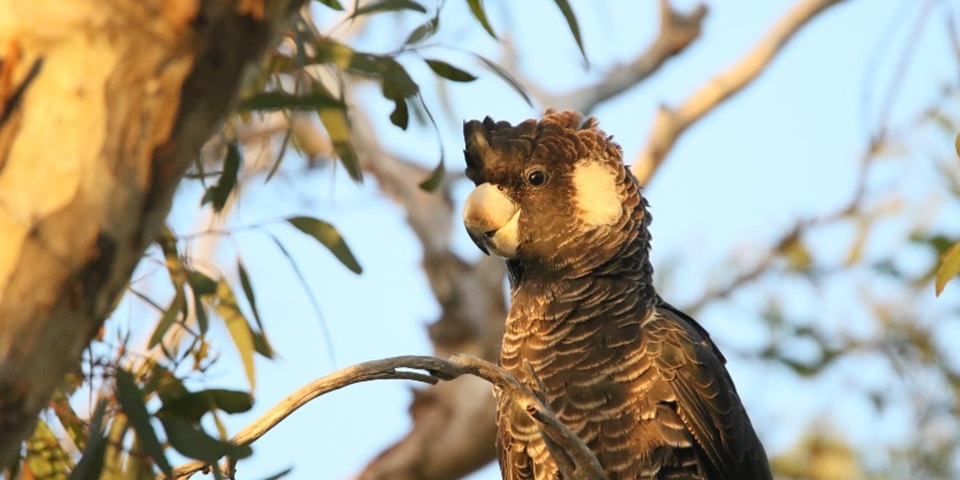
Murdoch University has partnered with the State Government on two projects to support delivery of its Urban Greening Strategy for Perth and Peel through the Let’s Grow Action Plan.
The new partnership will help State agencies and local governments identify, plan and deliver green links across Perth and Peel and help conserve Western Australia’s black cockatoo population.
The State Government has committed a combined $670,000 to support the two-year Let’s Grow Green Links project and the three-year Let’s Grow for Black Cockatoos project.
Together, the projects will create greener, cooler and more liveable places and wildlife habitats across Perth and Peel, providing practical data, guidance and tools to support coordinated, evidence-based planning and implementation. The Western Australian Planning Commission (WAPC) leads coordination of WA Government urban greening under the Urban Greening Strategy and Let’s Grow program, supported by the Let’s Grow team at the Department of Planning, Lands and Heritage (DPLH).
Let’s Grow Green Links
Green links are cool, leafy routes through the city connecting nature and people destinations. They improve existing urban land to create a network of multifunctional green spaces that benefit people, wildlife and the broader environment.
The Let’s Grow Green Links project will strengthen collaboration across government, support smarter land use and engage local communities to help create a more connected urban green network that supports healthier, more resilient communities.
Working with the Let’s Grow team, NatureLink Perth will bring together its network of diverse stakeholders to help integrate nature into our urban areas across Perth and Peel. NatureLink Perth is hosted by Murdoch University’s School of Environmental and Conservation Sciences.
The team promotes better urban design through green links and brings specialist expertise in urban greening and biodiversity, together with extensive experience working with government, stakeholders and communities.
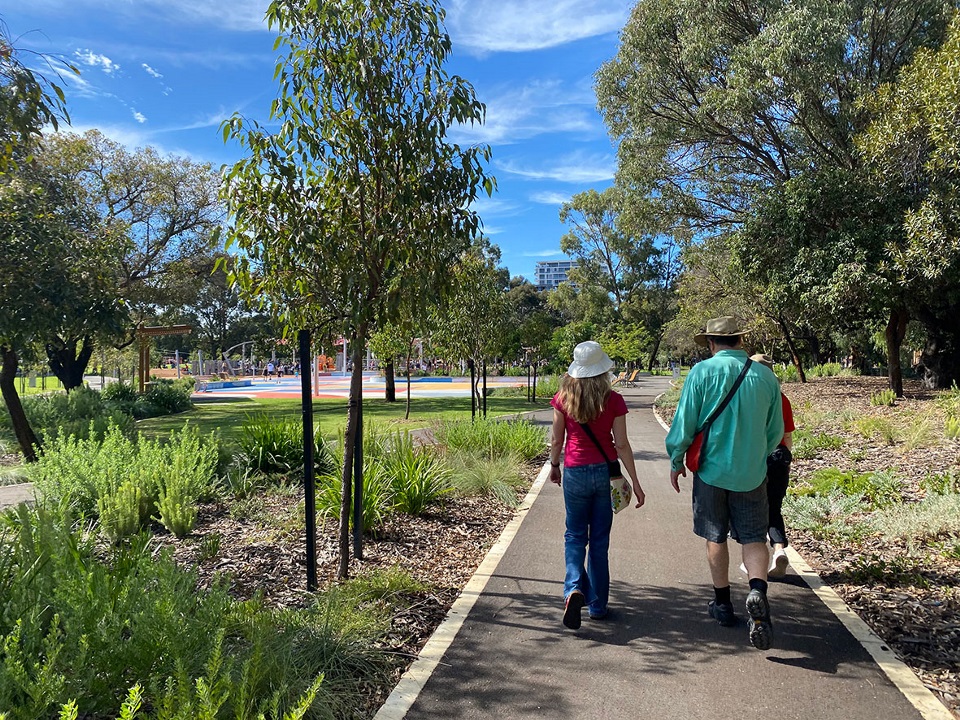
Murdoch University wetland ecologist, Director of NatureLink Perth, and project leader Dr Jane Chambers said this project combines the benefits of greening for climate change resilience, creation of an aesthetic landscape that promotes people’s health and wellbeing, while protecting our unique biodiversity.
“Perth is in a global biodiversity hotspot; we have thousands of native plant and animal species found nowhere else in the world but have lost over 70% of natural habitat - more in inner city areas,” Dr Chambers said.
“To sustain biodiversity, wildlife needs to be able to move, feed and survive in urban areas to maintain healthy populations.
“As the Perth and Peel regions grow, new housing, transport and other community infrastructure are needed to support our growing population. At the same time, remaining wildlife habitat is becoming increasingly fragmented and isolated, making it harder to sustain our remarkable local biodiversity into the future.
“Without coordinated investment in urban greening and targeted action, some local species could disappear within decades.”
Designed well, green links provide both wildlife habitat, and cooler, leafier places for people to walk, exercise, recreate, socialise and connect with nature. Connection to our unique natural heritage provides us with a sense of place, improving our health and wellbeing.
“As Perth and Peel evolves, our green spaces will need to work harder. Through a coordinated, evidence-based approach, we can create multi-functional green spaces that deliver a range of community, planning and environmental benefits,” Dr Chambers said.
“We’re excited to partner with the State Government through Let’s Grow to build on NatureLink Perth’s work and expertise and help create an innovative, more connected urban green network that benefits both people and nature.”
Let’s Grow for Black Cockatoos
Building on the success of Keep Carnaby’s Flying – Ngoolarks Forever, the Let’s Grow for Black Cockatoos project will use movement, health and habitat data to identify priority conservation areas and inform actions to protect and enhance habitats for all three threatened south-west black cockatoo species.
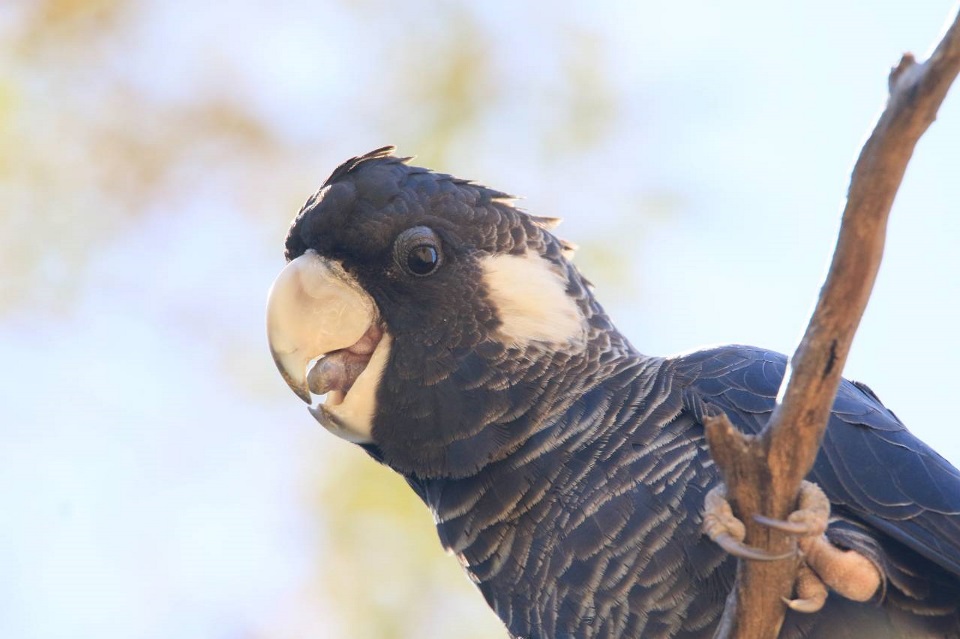
Murdoch University’s Black Cockatoo Research Team, led by Professor Kris Warren and Dr Jill Shephard will use health and ecological data to produce a series of Black Cockatoo Conservation Notes to inform black cockatoo conservation management in the Perth-Peel region.
The findings will support more targeted conservation efforts while improving understanding of how urban landscapes can better support native wildlife.
“Creating greener more liveable environments and protecting our black cockatoos can go hand in hand, as long as we plant the right types of plants in the right places” Professor Warren said.
“We need to ensure our urban environment has habitats for wildlife, including more food trees for black cockatoos, to safeguard the future of these important and beautiful birds.
“The research team will also provide the State Government with high level technical advice to support the implementation of the Let’s Grow Action Plan, to facilitate a city-wide approach to black cockatoo conservation as part of the State Government’s urban greening.”
Photos by Karen Riley and Jane Chambers.
News
Let’s Grow partnership to create green links and protect black cockatoos in Perth and Peel
Posted on