News
AI biotechnology helping crack the codes behind pollution from ‘forever chemicals’
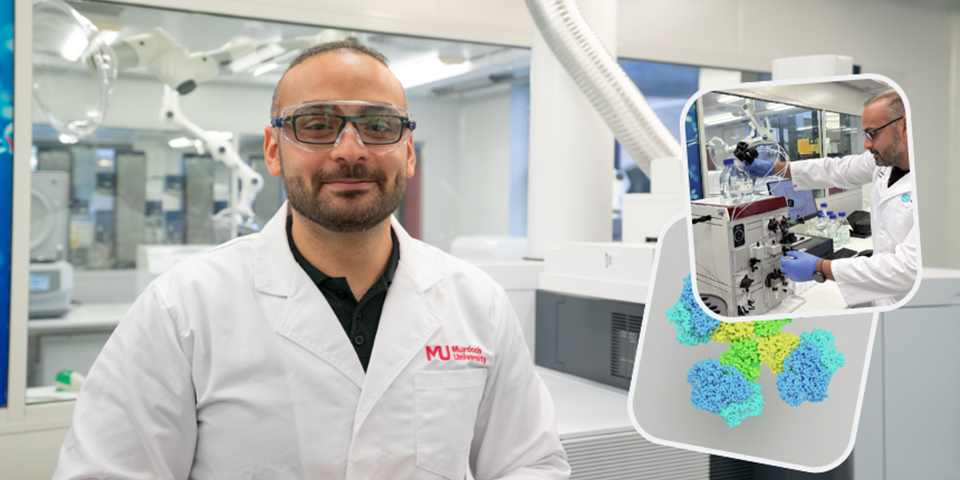
There are millions upon millions of enzymes that have the potential to degrade pollutants like plastic stored in databases around the world.
Scientists at Murdoch University’s Bioplastics Innovation Hub are combining machine learning technology and biochemistry to filter down and identify which of these enzymes have the potential to break down plastic and other harmful pollutants.
PhD candidate Joseph Boctor explains in his latest review, published in Nature Reviews: Earth & Environment, that the key to finding the right biological fit to combat each pollutant was likely hidden within existing data.
Where sorting through the data would previously have been an insurmountable task, AI technology is filling the gap at a critical time for the environment.
“I strongly advocate that overengineering enzymes is a bad starting point that overlooks millions of years of evolution that have already produced lots of potential solutions to these contaminants,” Mr Boctor said.
We need to look in the right place, and leveraging machine learning tools we are able to mine through millions of unexplored biological data to find the right candidate for the relevant task.
These machine-learning-designed pipelines use knowledge from previously characterised enzymes to predict how enzyme structures might interact with target pollutants and break them down.
Mr Boctor said while scientists were working on creating bioplastic alternatives for the future, these tools were helping to more rapidly address the pollutants already in our environment and causing active harm.
“PFAS, microplastics and other persistent pollutants are not only industrially favourable but biologically active,” he said.
“They trick our bodies by mimicking our own hormones and causing documented disruptions to health.”
Last year, Mr Boctor conducted a comprehensive review highlighting that agricultural soils now held around 23 times more microplastics than oceans.
The review also discussed microplastics and nanoplastics being detected in lettuce, wheat and carrot crops – and other additives in soil such as Pthalates (linked to reproductive issues), and PBDEs (neurotoxic flame retardants linked to neurogenerative disease, increased risks of stroke and heart attack and early death).
With these pollutants making their way from soil to salad to humans, finding the answer to breaking them down has never been more urgent.
While technology saves the time scientists would spend searching through existing data, Mr Boctor said the Bioplastics Innovation Hub team is filtering its energy into testing, validating and scaling the identified enzymes for bioremediation efforts.
Want to help solve the problem of plastic pollution? Explore courses within our School of Medical, Molecular and Forensic Sciences.
News
AI biotechnology helping crack the codes behind pollution from ‘forever chemicals’
Posted on