Blog
Beyond the canvas: first steps in curation
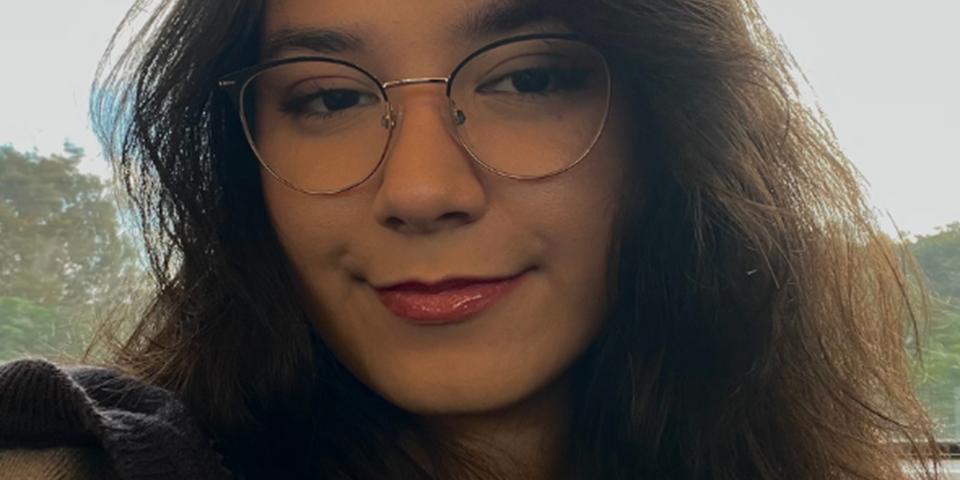
Leilaina Gunter is the latest student intern to join the Murdoch University Art Collection’s Curatorial team. Before her tenure concluded we caught up with Leilaina to find out her thoughts on the experience.
What is the degree you are currently studying, and when will you finish?
I’m currently completing my undergraduate degree: A Bachelor of Arts majoring in History, and English and Creative Writing. I’m due to finish in a few weeks. In my final semester, I enrolled in the new teaching and learning unit HIS216: Art of Protest: The Music, Performance and Visual Arts of Activism since 1850. The unit was created by my lecturer, Dr Elizabeth Burns-Dans.
What did you enjoy about the teaching and learning unit “Art of Protest”? What did you learn from it?
Aside from engaging content and exploration into a multitude of different protest movements, the unit has brought a new lens to explore different protest movements for a deeper engagement with creative media: songs, paintings, posters, pamphlets, etc.
One facet of the unit involved a class excursion to Murdoch University Art Gallery to view and discuss artworks. The University’s Art Collection Curators, Mark Stewart and Dr Baige Zylstra, provided a tour and delved deeper into the narratives of artworks featured in the current gallery exhibition Speaking Truth To Power. This exhibition presented artworks by celebrated contemporary Aboriginal and Torres Strait Islander artists, including Tony Albert, Dr Brenda L. Croft, Kait James, Brian Robinson, and James Tylor.
Tony Albert’s, You Wreck Me #34 was one of the artworks discussed in detail during the tour, and through conversations between the class and the curators, new perspectives on his series were expanded.
In terms of accepting this internship, what interested you in getting some work experience with the Murdoch University Art Collection?
The internship was initially proposed by my lecturer, during a discussion about my interest in the field of historical curation. I had also shown interest in artworks displayed around campus, and through our conversation, I thought it was a great opportunity to pursue hands-on experience in every aspect of the curatorial field. I had previously visited the campus gallery; however, this internship has allowed a deeper appreciation for the University’s amazing Art Collection, both on and off display, as well as around campus.
I also think seeing some of my favourite Collection artworks on display—such as esteemed Noongar artist, Sandra Hill’s painting titled Homemaker #7 (Cake making) and two linocut prints by Brian Robinson titled By Virtue of this Act I Hereby Take Possession of This Land and Legacy: One umbrella, eight hundred and eighty thousand voices, sixty thousand years of occupancy. The latter, which I hadn’t known was in the Collection, truly instilled the fact that this was the perfect place to learn about the field I wish to pursue.
How long is your internship, and what are some activities you have focused on?
The 80-hour placement granted time to delve into hands-on Art Collection experiences, such as artwork installation across campus, as well as aiding in researching and writing-based tasks, such as the development of artwork acquisition reports. The more hands-on activities included assisting in the development of new artwork displays across campus, preparing and creating artwork teaching and learning displays, consulting with staff members regarding artwork requests, and the professional examination, handling and packaging of artworks for couriering.
The internship has provided me with a greater understanding of the importance of good exhibition design, including the consideration of scale, balance, lighting, colour and conveying narratives.
Has the work placement helped you focus on, or clarify what you envisage yourself doing in the future?
It has definitely pushed me further into my interest in curation. By better understanding the plethora of tasks at hand, day-to-day, it was very good at solidifying my goal of curating for a gallery or museum in the future. I think I found that despite the chaos of what to do next, it always kept me on my toes and allowed a better understanding as to what a week in curation consisted of—never the same thing day in and day out. The internship also provided a better understanding of the importance of the exchange of ideas and being able to progress further with the help of those within your community.
Blog
Beyond the canvas: first steps in curation
Posted on
Friday 17 October 2025
Topics