Blog
Students Get Their Teeth into Real Practice
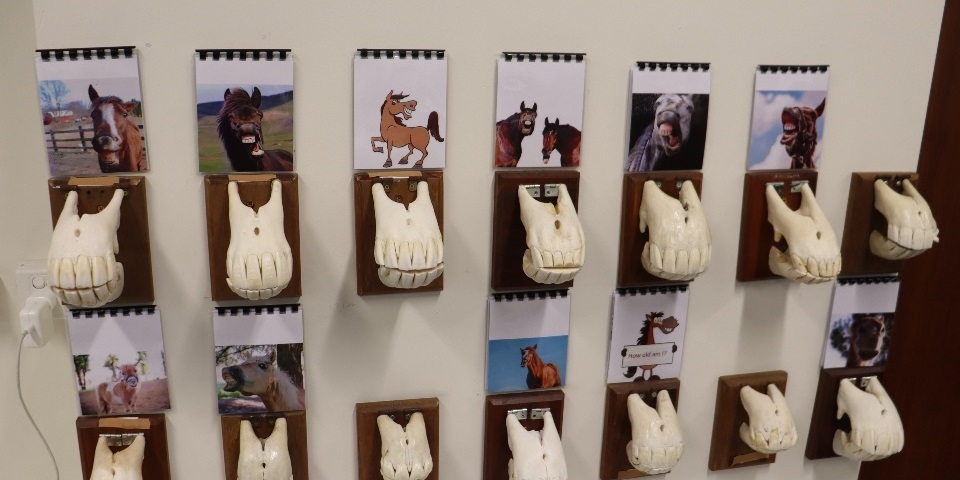
Murdoch University’s School of Veterinary Medicine is sharpening its focus on what matters most when students step into practice for the first time: confidence, competence and real-world experience.
In 2026, two new initiatives have been embedded into the final-year Doctor of Veterinary Medicine (DVM) curriculum - an expanded partnership with the RSPCA and a hands-on dental clinic program. Both have been designed to give students deeper, more authentic clinical exposure before they graduate.
For Associate Professor Small Animal Medicine/Associate Dean of Quality and Standards, Dr. Mandy Burrows, the changes reflect both industry demand and a broader commitment to continuous improvement.
“These two curricular initiatives that we introduced in 2026 are in direct response to the increasing needs for both dentistry and practical teaching more broadly.”
One of the most significant developments is the strengthening of Murdoch’s relationship with the RSPCA.
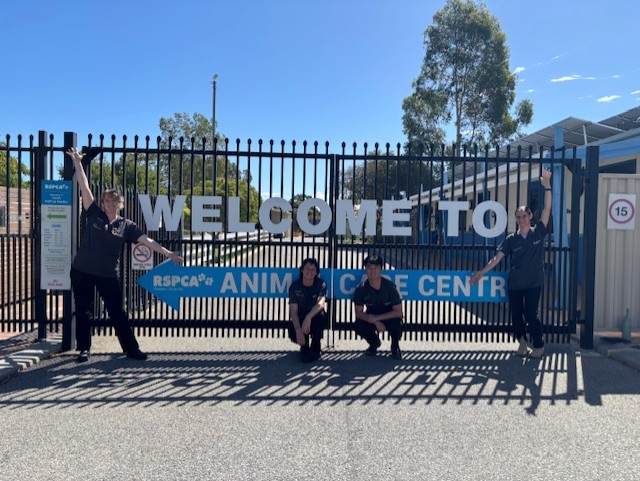
Final-year students now take part in a two-day shelter rotation, working in small groups within a genuine clinical environment under the supervision of a Murdoch veterinarian.
“What we’re doing is sending students to the RSPCA as part of a shelter rotation, and that has a veterinarian from the university embedded into it,” said Dr. Burrows.
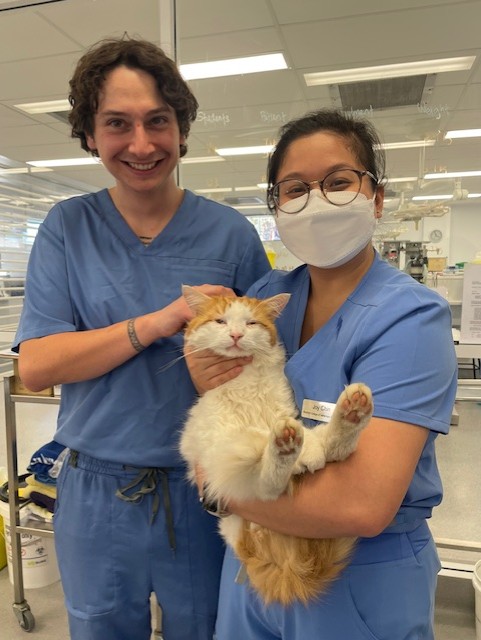
For students, the experience is deliberately hands-on. Rather than observing, they are examining animals, vaccinating, microchipping, treating basic ear and skin conditions and managing routine cases, essentially core skills they will rely on for their first day in practice.
“They’re practicing skills they will certainly confront in routine general practice,” Dr. Burrows said. “It’s about creating an authentic workplace experience.”
The small-group model, just four students per rotation, allows for close supervision while maximising individual learning opportunities. It also addresses a common challenge in teaching hospitals - limited capacity to give every student repeated, meaningful practice across a wide caseload.
“It’s very difficult in a small hospital environment here to give every student the opportunity to do everything,” she said. “This is just another way of increasing the exposure.”
Early feedback suggests the approach is working well.
“They’re really enjoying it,” said Dr. Burrows. “It’s an invaluable opportunity for them to consolidate their skills and practice.”
Beyond student learning, the partnership also signals a renewed collaborative relationship with the RSPCA, one that may expand further in the months ahead.
“We see this as the beginning,” she said, pointing to future plans that could include animals being brought onto campus for surgical procedures, and providing additional teaching opportunities while supporting animal welfare outcomes.
Alongside the RSPCA initiative, Murdoch has introduced a dedicated live dental clinic day, giving students the chance to perform routine dental procedures on real patients.
For Veterinary Dentistry Lecturer, Dr. Michael Lawley, the shift marks a significant step forward in how clinical skills are taught.
“In the past, students may have watched procedures or practised on mannequins or cadavers,” he said. “That’s useful, but it’s not the authentic clinical exposure we seek.”
The new clinic changes that. Students now perform oral examinations, dental imaging, scaling and polishing on live animals, integrating clinical decision-making, anaesthesia and radiography in real time.
“It allows them to move beyond idealised scenarios into real-world situations,” he said. “There’s variability in anatomy, different disease presentations, and they have to respond in the moment.”
Importantly, the clinic also builds broader clinical reasoning, encouraging students to assess the whole patient, not just the teeth.
“It’s not just dentistry,” he explained. “They’re making decisions, interpreting x-rays, managing workflow, and thinking about the patient as a whole.”
The new program reflects the growing recognition of dentistry’s importance in veterinary practice. Periodontal disease is one of the most common health issues in companion animals, yet historically it has received limited teaching time.
“I think traditionally vet schools haven’t spent as much time on it as they would like,” Dr. Lawley said. “But everyone realises now how important it is, not just for practice, but for the animal’s overall wellbeing.”
Murdoch’s School of Veterinary Medicine has steadily expanded its dentistry training in response, growing from just a few hours of exposure to a structured program integrated into final-year rotations.
“This program is part of that incremental evolution,” he said.
At the heart of both of these new initiatives is a shared goal to produce graduates who are genuinely ready for practice.
By the time they leave Murdoch, students will have already handled real patients in a shelter environment and performed clinical procedures such as dental examinations and treatments under supervision.
“I think it cannot help but improve their confidence and reduce their anxiety,” Dr. Lawley said.
The programs align closely with ‘day one competencies’ - the practical skillset expected of new graduates, and they also reflect the addressing of feedback given by industry and accreditation bodies.
“We regularly seek input from the profession,” Dr. Burrows said. “There’s been a clear call for more dentistry training and more practical experience, and this is a key part of our response.”
Murdoch University’s Vet School is also distinguishing itself through its teaching model.
“We’re doing very small groups,” Dr. Lawley said. “The teacher/student ratio is really strong and hence it facilitates a much better learning experience.”
For Dr. Burrows, the initiatives support a broader philosophy - that veterinary education must always remain dynamic.
“Our curriculum isn’t static,” she said. “We want to be responsive, reflective, continuously improve, and always adapt to what the profession needs.”
This mindset is already shaping what comes next, with plans to expand the RSPCA collaboration and further integrate hands-on clinical opportunities into the program.
Together, these new initiatives mark a further shift towards more immersive, practice-ready learning, ensuring Murdoch graduates emerge with experience in a range of ever-expanding clinical skills that will give them a firm foundation for day one in the workplace.
Blog
Students Get Their Teeth into Real Practice
Posted on
Wednesday 10 June 2026
Topics