Blog
Alan's brighter future
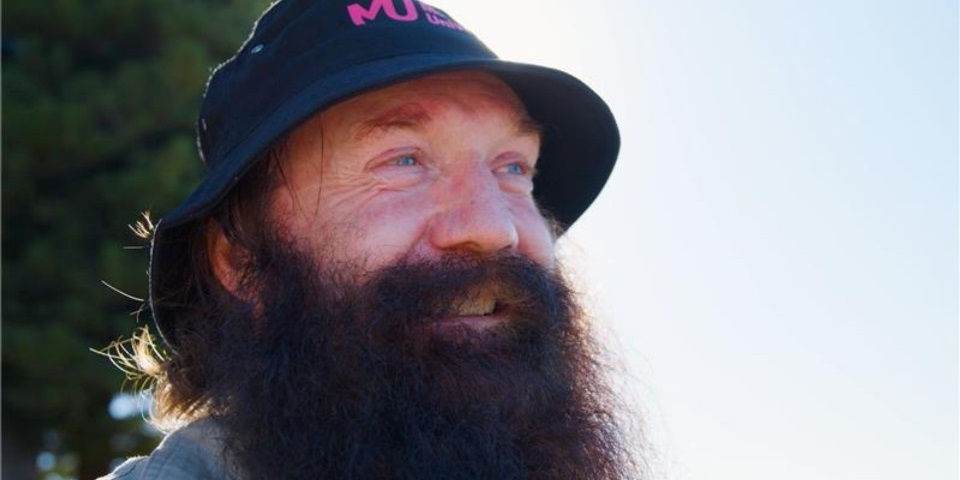
A project dedicated to preventing fish kills in WA's waterways.
Fish kills are an increasingly common issue across Australia and the world. Events like these, often triggered by algae blooms and contaminated water can devastate aquatic ecosystems.
Recently, the Swan River in Western Australia encountered one such event, resulting in the death of thousands of fish. Early results indicate the cause was low oxygen levels and rapid shifts in salinity following heavy rainfall and freshwater inflow.
One of the greatest challenges in responding to fish kills events is timing. Reports often come in after water conditions have already changed, making diagnosing the cause extremely difficult. So how can we get ahead of these catastrophic events, understand the causes, and develop preventative measures?
Enter Spyvalve, a project that brings community, industry and researchers together to tackle this challenge through a unique nature-inspired approach.
Spyvalve uses bivalves (mussels, oysters, scallops and clams) as living sensors to monitor water quality in real time. As filter feeders, they continuously "taste" the water, responding to environmental conditions by opening and closing their shell. By attaching tiny sensors to their shells, researchers can track this behaviour and detect signs of pollution or stress long before a fish kill occurs.
Dr. Alan Cottingham. the lead researcher on the project, believes that detecting changes in environmental conditions in real time is critical.
"Spyvalve aims to be able to detect the fish kills before they even happen, and this will help us find the cause with the hope that we can prevent fish kills happening in the future."
To Alan, it’s about more than protecting our natural environment, it’s about connecting community groups, working with schools, and inspiring the scientists of the future and building environmental stewardship.
"The most rewarding part of my job is working with school groups and seeing some of the faces on students when they get out in the environment. If learning about nature and how much it has to offer and how important it is that we continue to protect this natural resource, that to me is great."
"A brighter future to me looks like healthy aquatic ecosystems without any fish kills and happy aquatic communities."
The challenge of preventing fish kills in Australian waterways is a continuing challenge, but with changemakers like Alan continuing to champion the importance of their conservation, the future of marine ecosystems is looking brighter every day.
Alan is one of the many faces of a brighter future, contributing every day in his own unique way to making a brighter future a reality.
Blog
Alan's brighter future
Series
Posted on
Wednesday 19 November 2025