News
What’s the appeal of Medieval festivals?
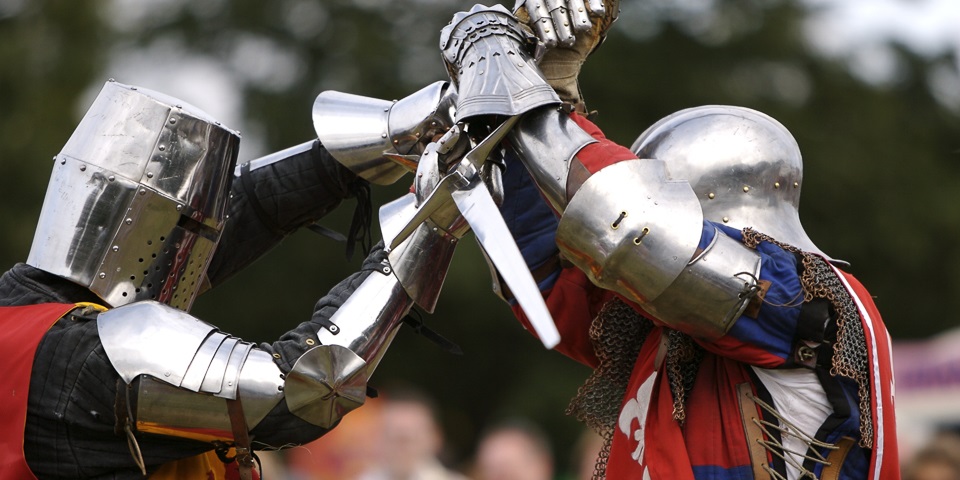
In an increasingly complex world, the medieval age offers an appealing vision of community, purpose, and simplicity, a Murdoch University historian said.
Since 1995, the small town of Balingup in Western Australia’s South West has attracted passionate artisans, performers, and medieval enthusiasts for the annual Balingup Medieval Carnival.
What once was a small community event has now evolved into the town’s biggest source of income, which brings in thousands of people from across the country.
So, what inspires a crowd of people to convene each year, dressed up as knights, princesses, peasants, bakers, and blacksmiths?
According to Dr Emily Chambers, an early modern historian from Murdoch University’s School of Humanities, Arts and Social Sciences, the answer may have less to do with the medieval past and more to do with modern life.
"We're not seeing people flock to medieval festivals because they genuinely want to recreate the Middle Ages,” Dr Chambers said.
“Rather, people are responding to what the period has come to symbolise - a sense of belonging and purpose.”
Dr Chambers said the stability of a clearly recognised role within a close-knit community holds a powerful appeal.
“The Middle Ages are often imagined as a time when everyone had a place and a purpose. A blacksmith's son became a blacksmith - and that role gave him an identity, a livelihood, and a place within the community,” she said.
“While this is a nice idea, unfortunately, it is a simplification of medieval society, which could also be exclusive and hierarchical.”
Dr Chambers said recent historical research has recognised that the medieval approach to life was actually more sustainable than the present, suggesting there is lots to learn from the past.
“Medieval communities often relied on practices like sharing, recycling, local production, and minimising waste,” she said.
“When people attend medieval festivals, I think they’re drawn to a world which is built around craftsmanship and community - which is a stark contrast to our consumer driven reality where there are serious concerns about sustainability, waste, and the environment.”
Another key element of medieval life which the modern world finds appealing is the lack of reliance on technology, Dr Chambers said.
“The Middle Ages have become a symbol of authenticity in a highly mediated world. People are drawn to the idea of making things with their hands, learning practical skills, and participating in community life without the filter of social media,” she said.
“Perhaps it’s ironic that medieval festivals do not necessarily produce authentic medieval tools, clothing, or lifestyles – but then, the purpose of these festivals is not strict historical accuracy!"
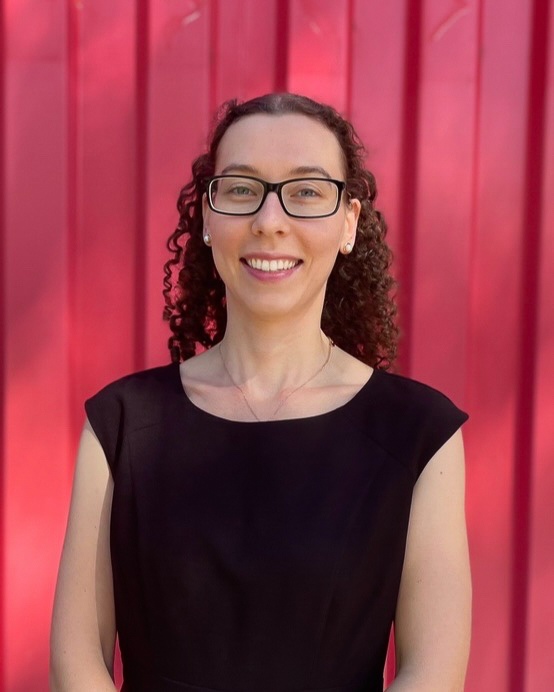
Dr Chambers said the romanticised perception of the Middle Ages tells us more about modern anxieties than it does about the past.
“Medievalism functions almost like a cultural mirror,” she said.
“We cherry-pick the parts of history that reflect qualities people feel they've lost and hope to rediscover, while overlooking the harsher realities of the time, including disease, high mortality rates, and rigid social hierarchies.”
However, Dr Chambers said it was important not to lose sight of the broader historical context.
“Turning a blind eye to the darker parts of history can potentially open the door to problematic outcomes where the past is misappropriated to support traditionalist views of things like gender norms or social hierarchy.”
Despite the complexities and contradictions of medieval life, Dr Chambers recognised the enduring appeal of medieval festivals.
There's something liberating about donning a suit of armour or a corset and feeling comfortable to step outside the expectations of everyday life. It's a space where people can explore different identities without fear of being judged.
“The popularity of medieval culture isn't really about the medieval past, it's about the modern present. The qualities people romanticise in the Middle Ages, such as community, purpose, and connection, are often the very things they feel are missing today."
Dr Chambers was formerly the secretary of Perth Medieval and Renaissance Group, Incorporated.