News
Vets hit the road to help animals across WA
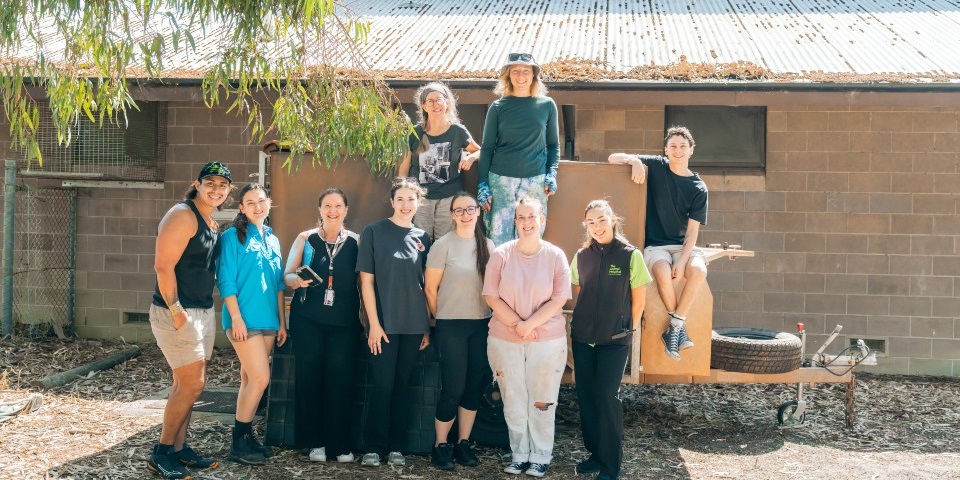
A unique veterinary outreach program is transforming animal welfare in some of Western Australia’s most remote communities – while also shaping the next generation of vets.
Since 2010, final-year veterinary students, supervising veterinarians and registered vet nurses from Murdoch University have been travelling to WA's most remote Aboriginal communities to deliver critical animal healthcare to dogs and cats.
While on these visits, they not only make a difference to animal welfare, but they also deliver a message to young Aboriginal people living remotely – if you have dreams to be a vet, there is a pathway for you.
The Murdoch Remote Outreach Animal De-sexing Program (Murdoch on the ROAD) was designed to provide high-quality and culturally sensitive care in locations where access to veterinary services is almost non-existent.
“Many of these communities are hundreds of kilometres from the nearest vet,” program coordinator Dr Nicole Laing said.
“So, by travelling to provide these critical services, we're not just treating animals - we're helping to manage populations, prevent disease and improve the overall health and wellbeing of both pets and people.”
To date, more than 4,500 procedures have been performed as part of the Murdoch on the ROAD program.
In 2026, the program will visit the Goldfields, Kimberley and Mid-West.
The clinical outcomes of the initiative are clear – communities have reported a visible reduction in dog populations, improved skin conditions in animals and fewer cases of preventable diseases.
The team also collects blood samples for ongoing research into tick-borne illnesses, with early data suggesting a positive trend linked to increased access to parasite prevention.
However, it's the trust and connections they’ve built that set it apart.
“In this space, if you’re not invited back, you’re not doing it right,” said Dr Laing.
“The fact that communities are asking us to return year after year is the strongest indicator that we’re making a difference.”
It’s all made possible with support from the Department of Primary Industries and Regional Development’s Wild Dog Action Plan, which has provided $890,000 in program funding since 2017, and a $50,000 Animal Welfare Grant for cats.
The program maintains an open-door policy, welcoming community members – especially children – into the clinic to observe and learn.
Students also visit local schools to deliver presentations, helping to demystify veterinary care and inspire future study and career pathways for regional kids.
“It’s powerful for young people to see university students who look like them, who are learning and giving back,” said Dr Laing.
“It shows them what’s possible.”
For the students, the experience is equally transformative. Many go on to work in rural and remote areas, and some have returned to the program as supervising vets.
“This is the most authentic training they’ll get before graduation,” said Dr Laing.
“They’re not just learning surgical skills – they’re learning cultural awareness, community engagement, and what it means to be a vet in the real world.”
In a world where access, equity, and reconciliation are still works in progress, Murdoch on the ROAD is a living example of what’s possible when education meets empathy.
It’s not just about healthier animals – it’s about stronger communities, empowered students, and a shared future built on respect and care.
And for the kids watching from the sidelines, it’s a glimpse of a future they can reach.
News
Vets hit the road to help animals across WA
Posted on
School of Veterinary Medicine
Murdoch Veterinary School is responsible for oversight and delivery of all veterinary-associated education, including the training of professionally registrable veterinarians and the next generation of specialists. The School is also responsible for the operation of an emergency, critical care, primary care and referral teaching facility, and conducting of research into animal health, welfare and disease.