News
Rising rates of rare diseases in cats and dogs pose new challenges for vets
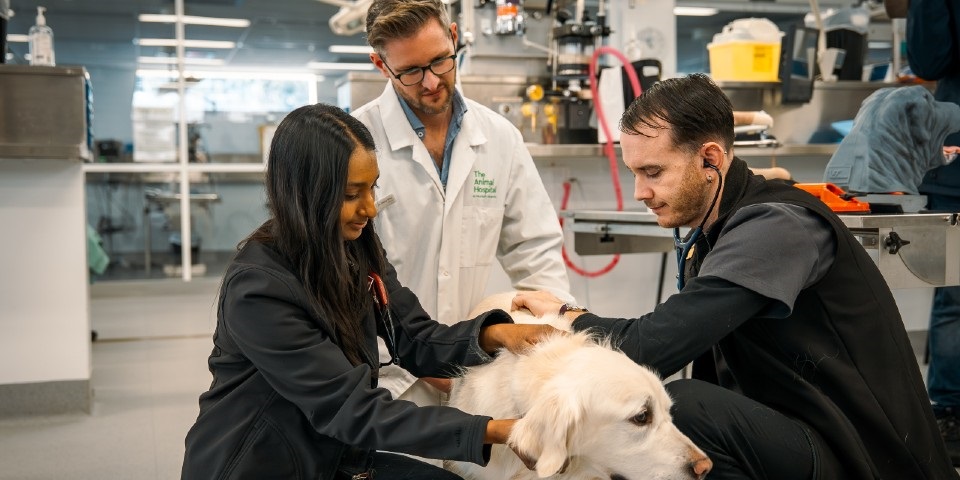
WA’s leading veterinary hospital at Murdoch University is reminding pet owners that if they notice changes with their pets to go and see a veterinarian.
Diseases such as cancer, diabetes, and thyroid conditions in dogs and cats are on the rise, and the signs can be really subtle.
Like in humans, environmental and lifestyle factors are contributors to increasing rates of disease and early detection is key to better outcomes.
Dr Robert Shiel, Professor of Small Animal Internal Medicine at Murdoch University’s School of Veterinary Medicine, said treating these complex diseases requires a multi-disciplinary approach to ensure accurate diagnosis and effective treatments.
“Many endocrine diseases are increasing in frequency. This trend raises questions about environmental factors and parallels in human medicine,” Professor Shiel said.
“Endocrine diseases such as diabetes, hypo and hyperthyroidism and Cushing’s disease can present in various ways, including changes in appetite and coat condition.
“One example of an increasing trend is Hyperaldosteronism (Conn’s syndrome) in older cats. This is a condition that can lead to high blood pressure, muscle weakness, lethargy and eye problems. It was rare 40 years ago but is becoming more common.”
Dr Albert Thomas, a lecturer in Veterinary Oncology, said cancer rates in companion animals also remain persistently high: one in four dogs and one in five cats will develop cancer during their lifetime.
“Unfortunately, the statistics are high, and those rates are going to continue to grow as better diagnostics and treatment options become available,” he said. “We’re now exploring targeted therapies, particularly adapting human drugs for common animal diseases.”
The demand for new and improved approaches to animal care is only increasing as pet ownership grows.
The 2025 Pets in Australia study by Animal Medicines Australia estimates pet ownership rates are 12% higher over pre-pandemic levels. There are 31.6 million pets living in 7.7 million households – representing 73% of all Australian households - almost 50% of which are dogs, and 34% cats. The report found that despite cost-of-living pressures, Australians spend $21 billion annually on their pets.
Murdoch’s School of Veterinary Medicine is responding to this increasing demand for care with constant advances in veterinary clinical research.
Dean of Veterinary Medicine Dr Henry Annandale said these included:
- A significant focus on cancer treatments for dogs and cats to improve quality and length of life.
- Advances in treatment of diseases like diabetes, blood disorders, cardiovascular disease, thyroid and adrenal disorders, and injury management.
- The increasing role of veterinary research in disease economics and prevention, for example food safety and public health policy, disease response, and mitigation of the impact of climate change and natural disasters on animal health and productivity.
“The integration of technologies like telemedicine and digital imaging, and the aligning of veterinary training with real-world practice needs, have ensured the veterinary profession today is vastly different from that of decades gone by,” Dr Annandale said.
A recent gift of $100 million by Perth businessman and philanthropist Ted Powell will fund construction of a new School of Veterinary Medicine at Murdoch, featuring the latest technology and increased capacity to train 50% more veterinarians to meet national workforce shortages.
“The history of the Murdoch School of Veterinary Medicine over the past 50 years reflects the transformations we have seen in attitudes to animal health, safety, welfare and rights,” Dr Annandale said.
“Today, we are playing a leading role in shaping the future of veterinary medicine through our research, teaching and engagement - both in our local community and on the world stage.”
The Murdoch University School of Veterinary Medicine is the only veterinary teaching school in Western Australia. The School was recently ranked 39 in the world in the 2025 QS World University Rankings by Subject.
View this Murdoch University Bright Lights story
News
Rising rates of rare diseases in cats and dogs pose new challenges for vets
Posted on
Topics
School of Veterinary Medicine
Murdoch Veterinary School is responsible for oversight and delivery of all veterinary-associated education, including the training of professionally registrable veterinarians and the next generation of specialists. The School is also responsible for the operation of an emergency, critical care, primary care and referral teaching facility, and conducting of research into animal health, welfare and disease.