News
Restored woodlands show only partial ability to bounce back after fire
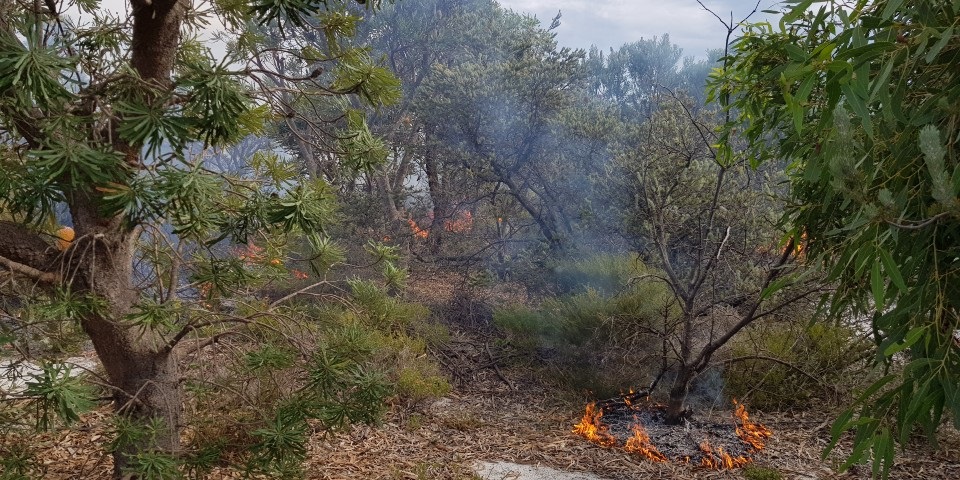
A new study from Murdoch University reveals that components of restored Banksia woodlands may struggle to cope with fire as effectively as natural bushland.
Fire is a natural and essential part of the Australian ecological landscape, with many native plant species regenerating after fire that occurs under the right conditions.
However, the study, Ecological Resilience of Restored Mediterranean Climate Woodlands to Experimental Fire, led by Dr Ebony Cowan as part of her PhD, shows that not all plant groups in restored Banksia woodlands recover equally after fire.
“This is concerning given climate change is driving more frequent and severe bushfires, and successful restoration is needed to help biodiversity recover,” Dr Cowan said.
The multi-year study experimentally tested how restored Banksia woodlands respond to fire, using carefully implemented small scale prescribed burns in areas at different stages of restoration development. The research drew on three years of data collected from pre fire surveys in 2019 to post fire monitoring in 2022, as well as long term collaborative datasets.
A positive finding from the study was that species which regenerate from seed after fire recovered strongly in restored sites and often behaved similarly to those in natural Banksia woodlands.
However, there was a different story for resprouting species — plants capable of regenerating their shoots following a disturbance like fire.
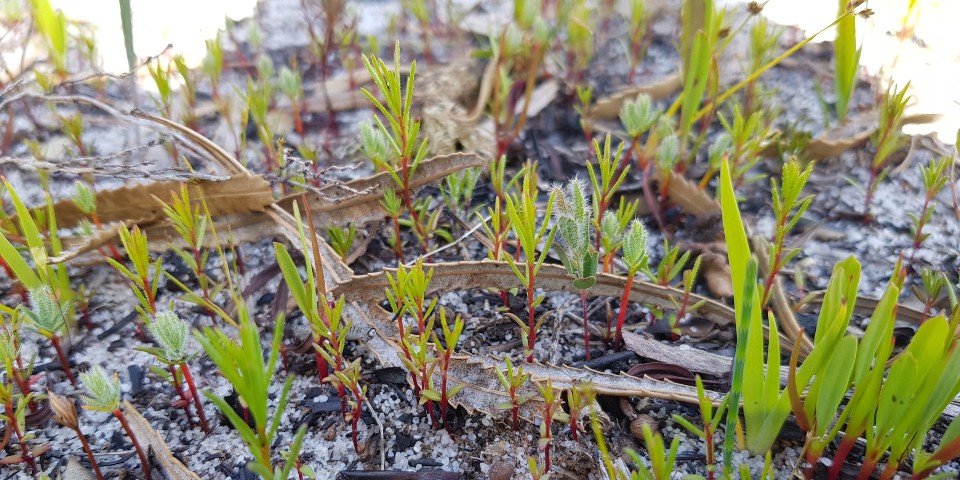
“Resprouters didn’t respond well in restored sites, especially the younger ones,” Dr Cowan said.
“Some of them didn’t resprout at all, and there was less of them in the restored sites compared to natural bushland. The restored woodlands only contained a subset of the resprouting species found in natural bushland.”
“This is a concern because resprouters are fundamental to long term resilience in fire prone ecosystems.”
Resilience isn't a guarantee
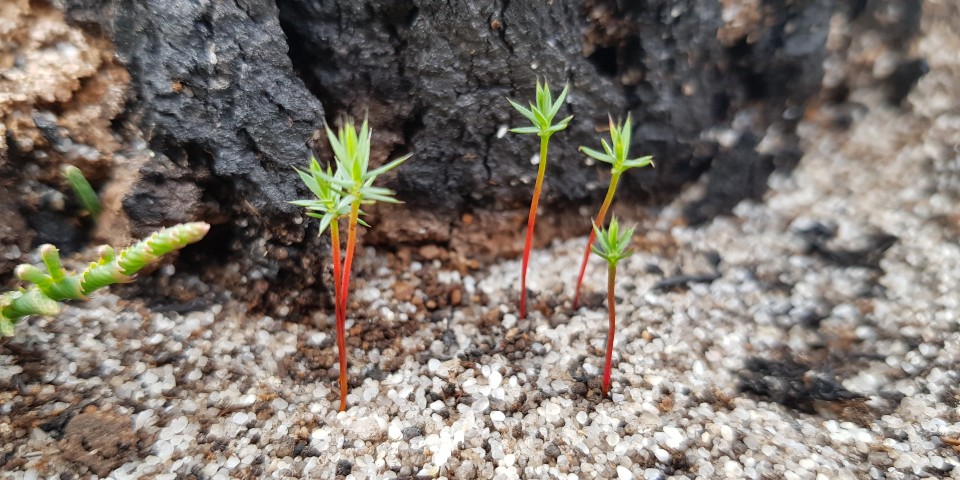
Dr Cowan said the findings challenged a common assumption in restoration practice — that resilience to disturbance, such as fire, will naturally develop as a site ages.
“Resilience may not develop over time and will be different for different types of plants,” she said.
“We need to plan for it, measure it, and know what we need to do if it is not occurring.
“Otherwise, restored landscapes can shift into undesirable states — they may contain the wrong types of species such as weeds, or not provide habitat, resulting in both biodiversity loss and a wasteful use of resources.”
The project was made possible through long standing partnerships between Murdoch University, Kings Park Science, Heidelberg Materials, and Department of Biodiversity Conservations and Attractions fire specialists, who worked together to safely deliver small scale experimental burns on an active mine site, an unusual and technically challenging feat in restoration research.
“It was incredible to witness the planning, coordination and expertise required to conduct these burns, being there on the day was a highlight of my PhD,” Dr Cowan said.
Dr Cowan said the key takeaway was that resilience and long-term persistence must be prioritised in restoration projects to deliver real ecological value.
“It cannot be assumed, and it can be difficult to measure, but it is the ultimate test of successful restoration,” she said.
The full study can be found in the journal Ecology and Evolution.
News
Restored woodlands show only partial ability to bounce back after fire
Posted on
Topics