News
Pause and reset: Murdoch Vice Chancellor challenges the case for WA universities merger
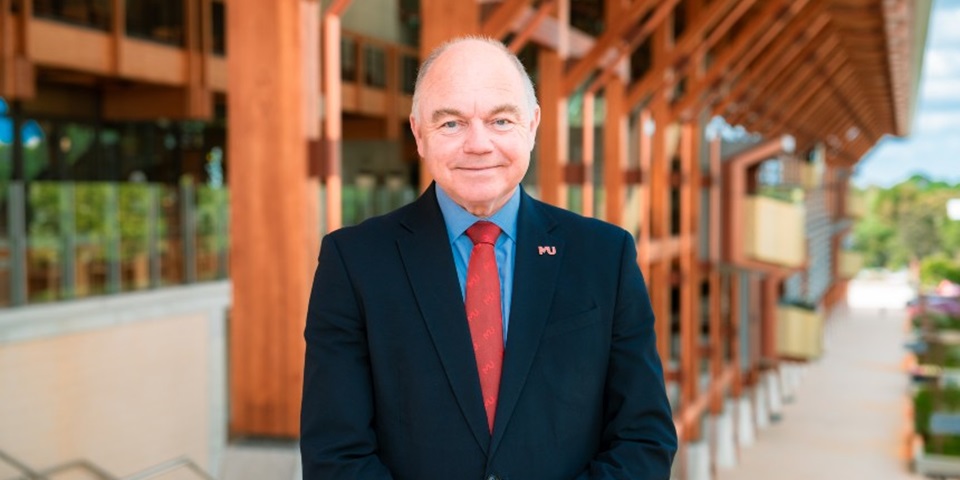
Murdoch University is calling on the State Government to “pause and reset” the process for a three-way merger of Murdoch, Curtin and UWA with Vice Chancellor Professor Andrew Deeks arguing the evidence does not establish that a merger is either needed or in the public interest.
On October 11, the State Government announced it was developing a business case to help guide a potential merger of the three universities. Along with the announcement, the Government publicly released the 2023 University Sector Review, the 2025 University Feasibility Study and the now widely discredited Deloitte Rapid Cost Benefit Analysis.
Professor Deeks has now written a detailed analysis and rebuttal of the evidence cited in all three reports, saying a reform of this size and consequence for the State must be grounded in credible evidence, with merger proposals tested against genuine alternatives through a transparent, consultative and impartial process.
In a letter to Premier Roger Cook, Professor Deeks said: “Western Australia’s public universities have served our community with distinction over many decades, and each have developed a distinct identity and strengths unique to their institution.
“The State should not commit to the largest restructuring of the sector in our history without compelling and credible evidence that a merger is necessary, achievable and in the public interest.
"Decisions made now will shape student choice, educational opportunity, research capacity and Western Australia’s international standing as a hub for educational and innovation excellence for decades to come.
"They could also expose the State to substantial cost and disruption that may be difficult – if not impossible – to reverse, and at a time when cost of living, housing and health pressures are front of mind for most people in the community."
In his analysis of the government’s case for a merger, Professor Deeks said Murdoch’s concerns centred on the implications for student choice, educational opportunity, teaching, research and Western Australia’s international standing.
He has identified several key shortcomings in the evidence and process, including:
The 2023 university review did not demonstrate why incremental reform was inadequate or explain how a merged university would operate.
The widely discredited Deloitte cost-benefit analysis compared merger scenarios with the status quo, rather than with improvements that could be achieved without merging.The evidence linking a merger to high completion rates, increased research funding and fee gains, as well as the funding sources and measures used, relies on unproven assumptions.
The feasibility study treats scenarios as firm evidence, underplays recent improvements and introduces untested reasons for the merger.
The terms of reference and the steering committee’s remit, composition and prior advocacy for a merger undermines public confidence in an impartial assessment of the evidence.
Professor Deeks is now calling for any further consideration of a merger to be independently commissioned and overseen, with no predetermined outcome.
This assessment should examine the causes of the performance trends identified in the 2023 Review and subsequent changes, and compare merger and credible non-merger options, using consistent methods and evidence for their claimed benefits.
Universities, staff and students – who have largely been shut out of the process – should have a genuine oversight role, and the community kept engaged and informed at every stage.
“The stakes are simply too high, and the consequences too serious, to get this wrong,” Professor Deeks said.
Read the report: Putting the cart before the horse - An evaluation of the evidence presented to support a WA university merger
News
Pause and reset: Murdoch Vice Chancellor challenges the case for WA universities merger
Posted on