News
How old is that puggle? Scientists develop first X-ray ageing guide for echidnas
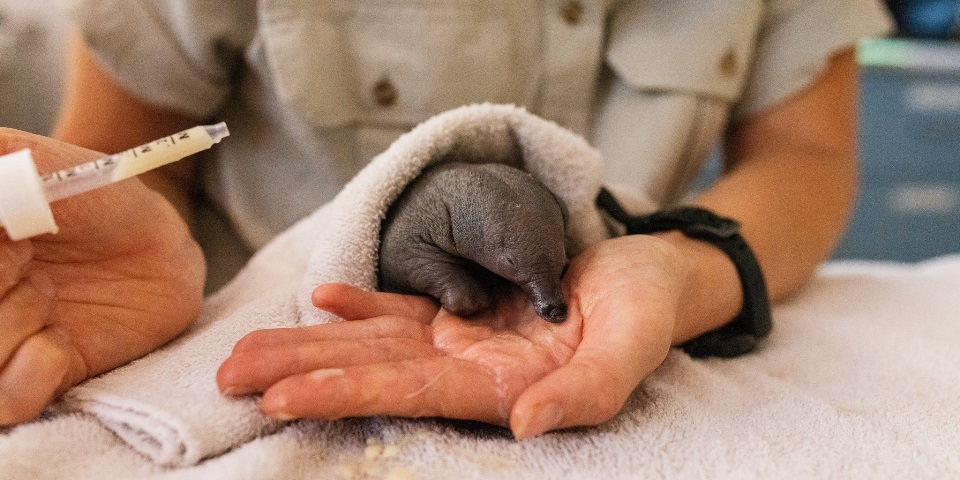
A research collaboration between Murdoch University and Taronga Zoo in NSW has developed a method to estimate the age of short-beaked echidnas.
A collaboration between Murdoch University researchers and veterinarians at Taronga Zoo has produced the first detailed radiographic ageing guide for short-beaked echidnas, providing a practical new way to estimate the age of these iconic Australian mammals from the time they are tiny puggles through to early adulthood.
For veterinarians, wildlife carers and zookeepers, knowing an echidna’s age can be critical. Age influences decisions about health assessment, growth monitoring, husbandry, rehabilitation and veterinary treatment.
Yet determining the age of young echidnas has long been a challenge. The new study uses a developmental series of X-rays to track how the echidna skeleton changes as a puggle grows, creating a reference guide that allows age to be estimated from skeletal development.
The research originated from a practical veterinary question posed by veterinarians at Taronga Zoo, in New South Wales: could skeletal development seen in routine X-rays be used to estimate the age of a young echidna?
Working with researchers from Murdoch University, the team transformed a unique collection of radiographs from known-age echidnas into the first comprehensive developmental record of skeletal maturation in the species.
Lead author Associate Professor Natalie Warburton said the project highlights how veterinary practice, zoo-based conservation programs, and anatomical research can come together to solve real-world problems.
“This research started with a simple question from zoo veterinarians: can we estimate the age of an echidna from an X-ray?”
“By documenting how the skeleton develops from hatching through to early adulthood, we’ve shown that the skeleton itself provides a biological clock that can be used to estimate age,” Associate Professor Warburton said.
The study analysed radiographs from echidnas ranging from 40 to 1,315 days post-hatching, allowing researchers to document when bones first appear, how they develop, and when skeletal structures grow and mature.
Much like forensic anthropologists estimate age from skeletal development in humans, researchers were able to identify predictable developmental milestones that can be used to estimate the age of an echidna from an X-ray.
“Forensic anthropologists have long used skeletal growth and fusion patterns to estimate age in humans,” Associate Professor Warburton said.
“We’ve shown that the same biological principles can be applied to echidnas, creating a practical ageing guide for a species where traditional ageing methods are often difficult or impossible.”
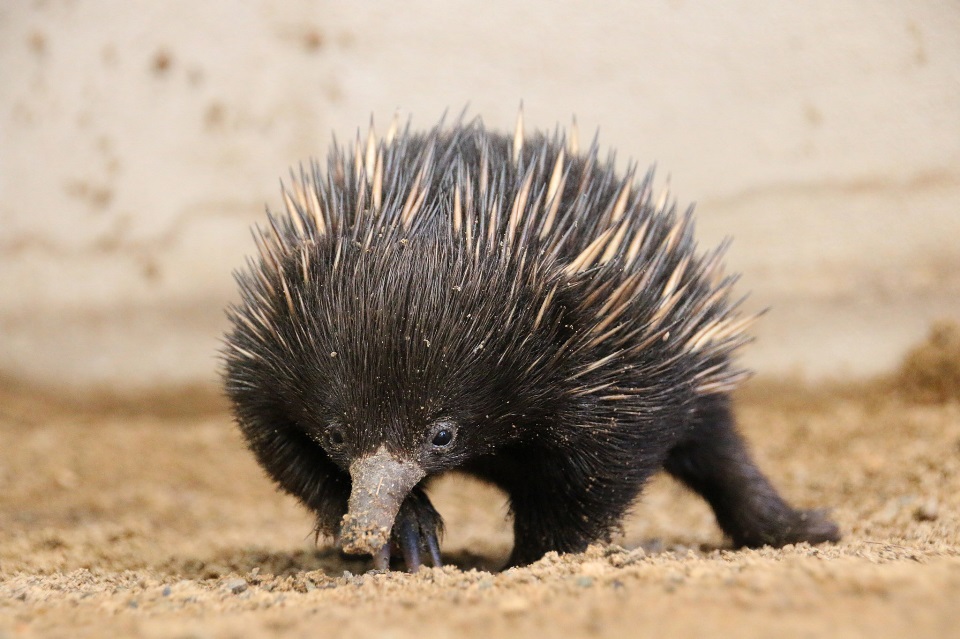
A Unique Opportunity Created by Taronga’s Echidna Breeding Program
The research was made possible through Taronga Conservation Society Australia’s echidna breeding program and the vision of Taronga veterinarians Dr Larry Vogelnest and Dr Gabrielle Tobias.
Taronga’s successful breeding program provided researchers with an exceptionally rare resource: known-age echidnas that could be followed from hatching through to young adulthood. Over many years, routine veterinary radiographs collected as part of animal health monitoring created a remarkable archive documenting the growth of puggles and juvenile echidnas.
This developmental record provided researchers with an unprecedented opportunity to observe how the echidna skeleton forms, matures, and changes through time. What began as routine veterinary imaging has now become an important scientific resource, providing the foundation with the first evidence-based radiographic ageing guide developed for the species.
“Without Taronga’s breeding program and the foresight of the veterinary team to collect these radiographs, this research simply would not have been possible,” Associate Professor Warburton said.
“The collection provides an extraordinary window into the developmental biology of one of the world’s most distinctive mammals.”
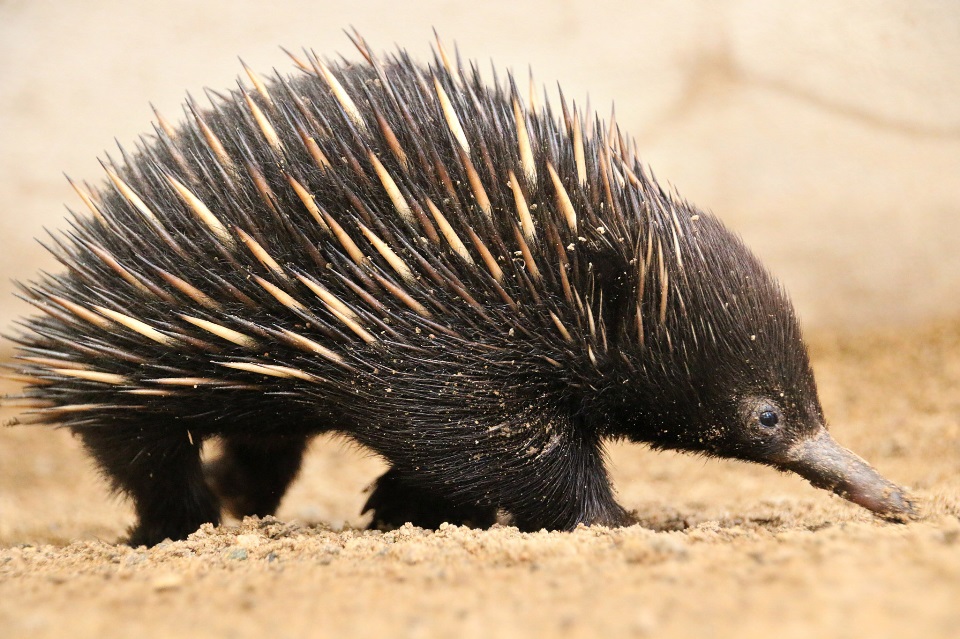
Revealing the Hidden Timeline of Echidna Development
The study revealed several unexpected features of echidna skeletal development. Researchers found that their forelimb and hand mature rapidly compared with other regions of the skeleton.
This early development likely reflects the importance of digging behaviour in young echidnas, which rely heavily on their powerful forelimbs as they grow.
The research also documented the appearance of new ossification centres and patterns of skeletal maturation that had never before been described in detail for the species.
By comparing these features across animals of different known ages, the researchers developed a developmental timeline that can be used as a practical reference for age estimation.
Even relatively short intervals between X-rays revealed substantial changes in skeletal development, demonstrating how quickly growing puggles progress through key stages of maturation.
“The skeleton records growth in remarkable detail. As bones appear, enlarge and eventually fuse, they create a predictable sequence of developmental milestones that can be used to estimate age,” Associate Professor Warburton said.
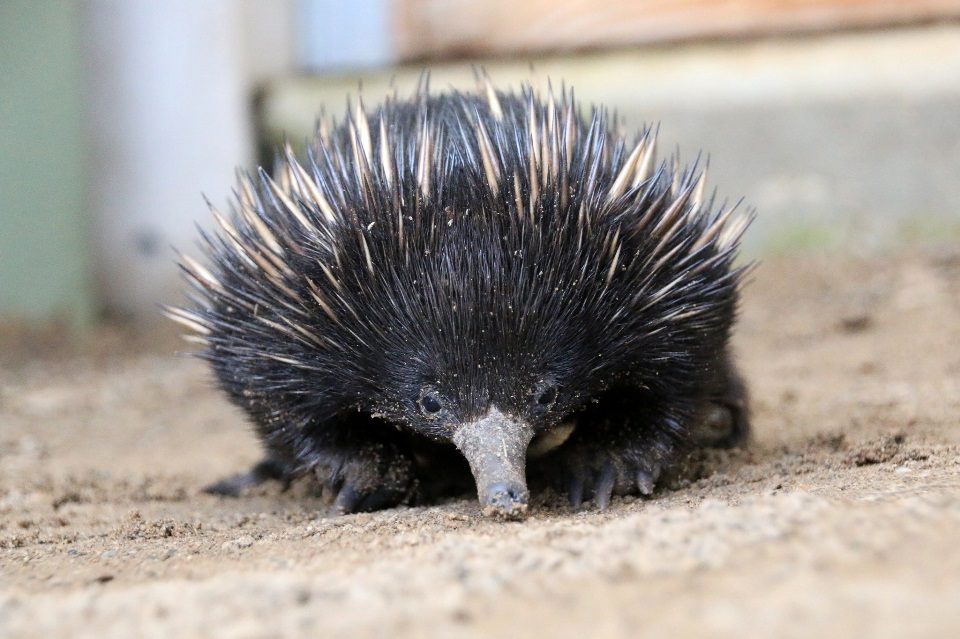
Practical Benefits for Veterinary Care, Rehabilitation and Conservation
The researchers believe the ageing guide will have immediate practical applications for veterinarians, wildlife hospitals, rehabilitation centres, and zoological institutions.
For young echidnas with unknown histories, the guide may assist veterinarians in estimating age, assessing skeletal maturity, and evaluating whether growth is progressing normally.
More accurate age estimates could also support decisions relating to nutrition, health management, rehabilitation, and release planning.
Beyond veterinary applications, the researchers expect the guide to support future studies of echidna growth, life history, and conservation biology.
As one of only five living monotreme species, echidnas represent a unique branch of mammalian evolution.
Despite being one of Australia’s most recognisable native animals, many aspects of their post-hatching development remain poorly understood.
“If a young echidna arrives at a wildlife hospital or rehabilitation facility, knowing its approximate age can help inform decisions about care and management. Until now, there has been no comprehensive skeletal reference available for these stages of development,” Associate Professor Warburton said.
“This research shows how careful observation, long-term veterinary records and collaborative science can come together to answer fundamental questions about Australian wildlife.
“By understanding how echidnas grow, we’re gaining insights that can improve animal care, support conservation and deepen our knowledge of one of Australia’s most remarkable species.”
The study, ‘Aging the echidna Tachyglossus aculeatus – the sequence and consequence of post-hatching ossification in an unusual mammal’ was published in the journal Royal Society Open Science.
News
How old is that puggle? Scientists develop first X-ray ageing guide for echidnas
Posted on
Topics
Harry Butler Institute (HBI)
As experts in the area of sustainable development, the Harry Butler Institute enables industry to deliver maximum economic value to our community, whilst simultaneously safeguarding the environment.