News
Giving hope to families this Rare Disease Day
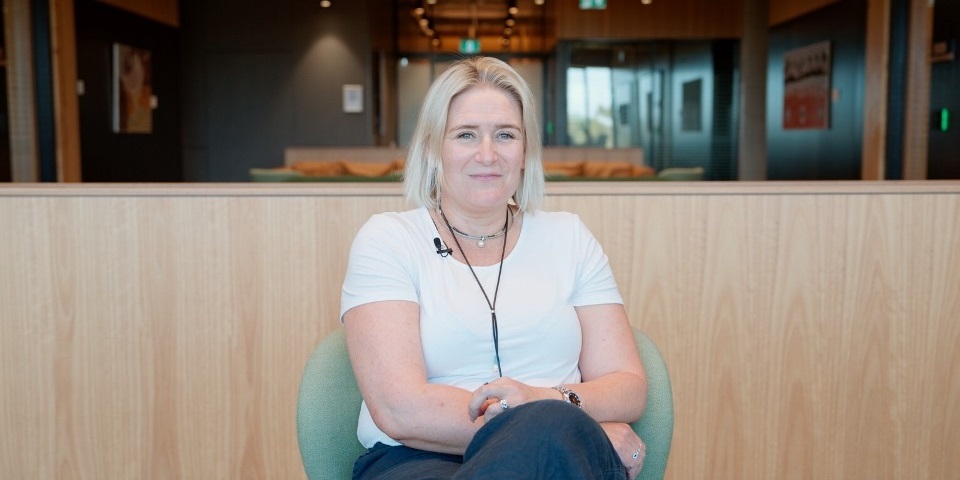
Helen Wilson knows first-hand what it is like to hear doctors say the words every parent dreads. The utterly unbearable, unthinkable words: your child does not have long to live.
The Perth mother has lived through what most families dare not even think about – a palliative diagnosis for her son Tristan – who failed to thrive at birth and after a long and grueling process was eventually diagnosed with a rare condition called KGB.
Today, Tristan is eight. And while he still experiences innumerable health challenges, thanks to ongoing advocacy by his family, he is, in his mum’s estimation, “thriving”.
“I had a picture-perfect pregnancy, so this wasn't expected or suspected at all, but he came out not breathing and then was in the high care, and from there it was just a myriad of different milestones that weren't met,” Helen explains.
“He was given a palliative diagnosis pretty much from the age of one; wasn’t meant to make it past five.
“He's been undiagnosed most of his life and he's also been suspected of mitochondrial disease of a very rare type because we can't find it.
“Diagnosis has been very hard. I'm fighting the challenge now on the metabolic front because a lot of them think that the initial diagnosis explains it, but half of his medical team don't agree.”
Sharing their story to help raise awareness on Rare Disease Day, Helen is one of several carers to have recently joined a consumer advisory panel for the Personalised Medicine Centre at Murdoch University.
The Personalised Medicine Centre develops bespoke treatments for individual patients with rare conditions, tailoring therapies to the specific needs of the patient as determined by their unique genetic makeup and lifestyle.
Barriers to diagnosis and a lack of suitable and effective treatments is a common frustration among people living with rare diseases and their families. The Personalised Medicine Centre at Murdoch is helping to bridge that gap, offering new hope to patients.
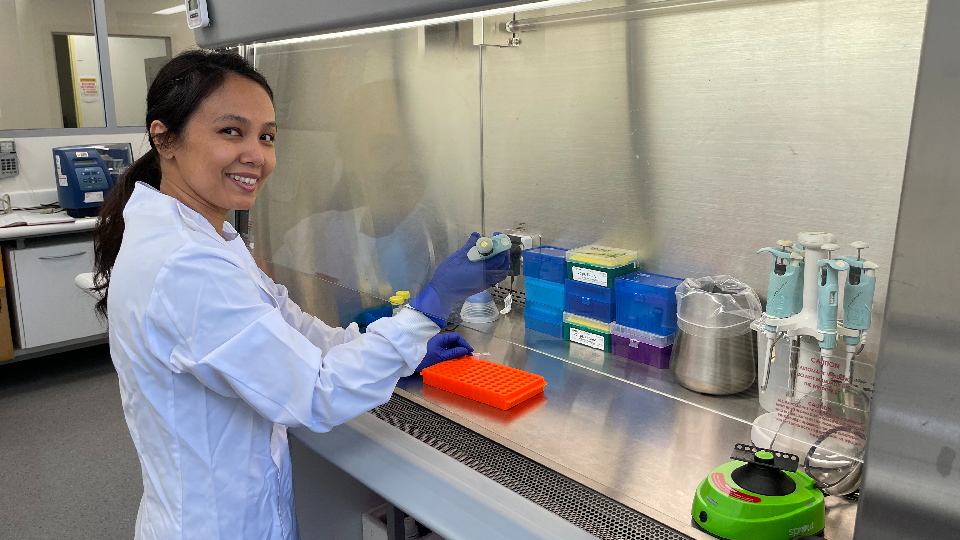
Dr May Aung-Htut, senior research fellow and co-head of the Molecular Therapy Laboratory at the Personalised Medicine Centre, said there were as many as 63,000 children with rare diseases in Western Australia alone.
“Approximately about five per cent of them have some treatment but majority, ninety per cent of them do not have a treatment,” she said.
“When I met with those patients with a rare disease, I really want to help. So, the mission of our Personalised Medicine Centre is to pioneer those innovative therapies for rare diseases and offer them help.”
For Helen, the Personalised Medicine Centre offers hope of a better treatment for Tristan, one that allows his quality of life to continue to improve.
By sharing her family’s story this Rare Disease Day, Helen hopes to increase understanding and compassion in the community.
“I wish people would realise how isolating it actually is and usually families are doing it really tough but also just having tolerance and kindness and no judgment,” she said.
To show your support for Rare Disease Day on 28 February 2026, use the hashtag #RareDiseaseDay and tag @rarediseaseday on social media.